The Ultimate Guide to Engineering Project Collaboration

Nov 28, 2025

Nov 28, 2025

Collaboration is essential for the success of your engineering projects, especially as you and your teams become more diverse and cross-functional. To stay ahead, you need to ensure smooth, effective teamwork across departments. 

The global Digital Engineering Collaboration Platform market is expected to grow at a CAGR of 13.2% from 2025 to 2033, reaching USD 25.6 billion by 2033. This growth reflects the rising demand for tools that make collaboration easier and more efficient. 

In this blog, you’ll learn why collaboration is so important for your projects, the common challenges you face, and practical steps you can take to improve how you collaborate. You will also be introduced to helpful tools for a smooth collaboration.

Overview

  • Effective collaboration in engineering projects requires aligning people, tools, and processes to achieve efficiency and project success.

  • Common collaboration challenges include misaligned goals, communication barriers, and fragmented tools, all of which delay progress.

  • Leaders should model collaboration, set clear goals, and create a culture that supports teamwork for project success.

  • Integrated tools like Entelligence AI, GitHub, and Jira simplify workflows, automate tasks, and enhance collaboration across teams.

What is Engineering Project Collaboration?

Engineering project collaboration is when you and your teams from different areas, engineering, product, design, and management, work together towards a common goal. Each one of your teammates brings their own expertise, but they all focus on solving the same problem or completing the same project.

Why does this matter? When collaboration is effective, projects get completed faster, problems are solved more easily, and there are fewer delays. Your collaborative team can adapt quickly, share ideas, and keep things moving forward. Without it, you might face confusion, misaligned goals, and missed deadlines.

Also Read: How To Measure And Improve Code Quality?

Common Challenges in Engineering Project Collaboration

While collaboration is essential, it’s not always easy. There are several challenges that you and your team may often face, which can affect your workflow. This includes:
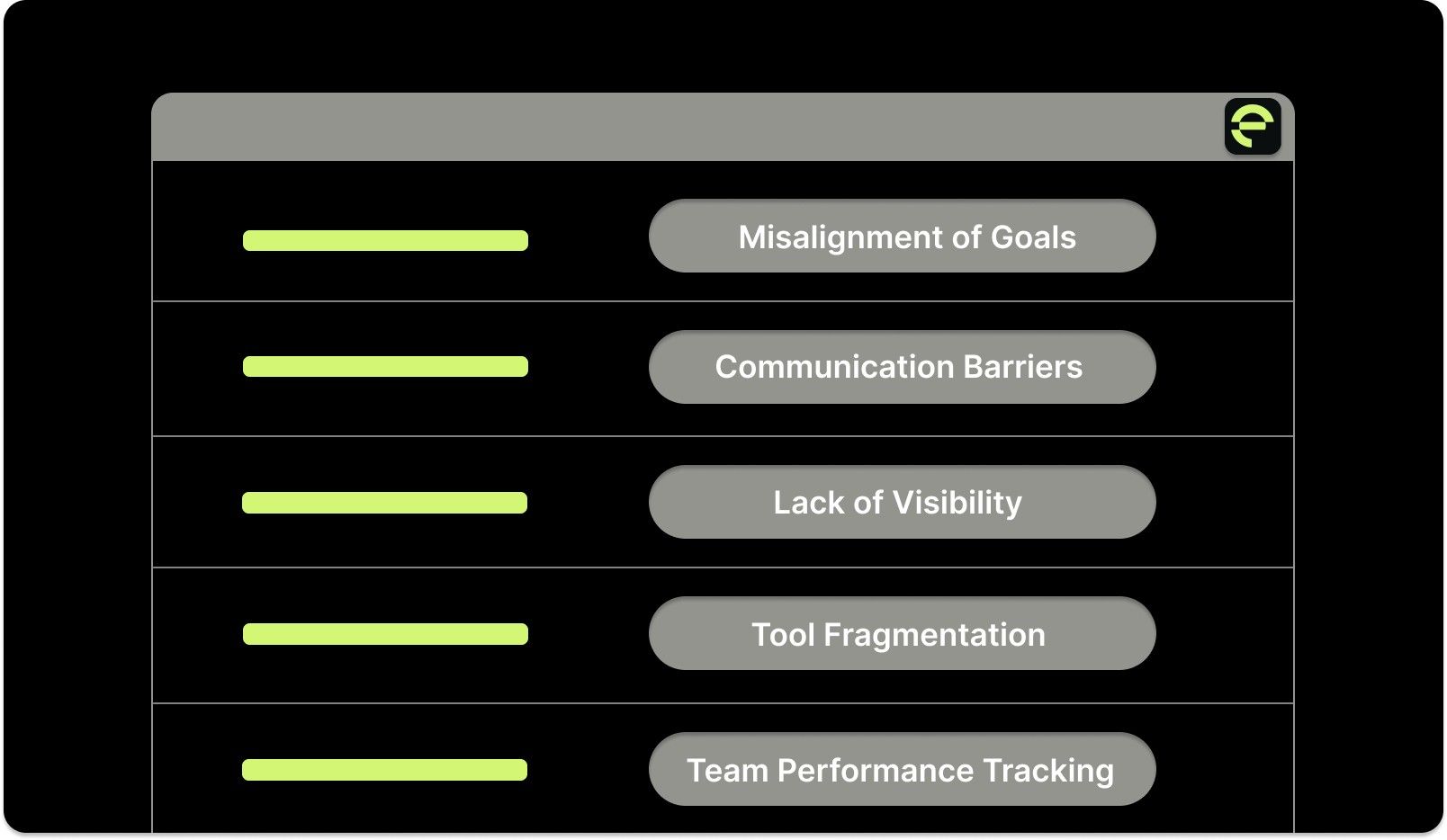
Common Challenges in Engineering Project Collaboration

1. Misalignment of Goals

Without clear communication, you might not understand the project's priorities or vision. This confusion can delay progress and cause friction between team members.

2. Cultural and Communication Barriers

Many engineering teams work in silos, especially in larger companies. This means different departments or team members, like yours, might not be communicating enough, leading to inefficiency and misunderstandings.

3. Lack of Visibility

If there’s no clear way to track progress or if the workflow isn’t transparent, it’s difficult to know where things stand. This lack of visibility often leads to missed deadlines and unnecessary stress.

4. Tool Fragmentation

When you and your teams use separate tools that don’t integrate well, it can slow down work. Switching between tools wastes time and creates gaps in communication and data sharing.

5. Team Performance Tracking

Without proper performance tracking, it’s hard to know whether you and your teammates are on track or meeting expectations. This can result in demotivated team members and missed opportunities for improvement.
How to Engineer Effective Collaboration in Engineering Projects?

To address these challenges and enhance collaboration, we’ve outlined key principles that can help you work more effectively together with your team:

1. Lead by Example

Engineering leaders like you must model collaborative behaviors. Your actions and approach will directly influence how the rest of your team communicates, shares knowledge, and works together.

How to Lead by Example:

  • Encourage openness: Lead transparent conversations where challenges and ideas are freely discussed. Create an environment where no one is afraid to speak up.

  • Be hands-on: Engage in collaborative work yourself, whether it's brainstorming sessions or decision-making processes.

  • Celebrate collective wins: Acknowledge team efforts publicly to show that collaboration is key to success.

Pro Tip: Regularly hold team retrospectives to reflect on collaboration challenges and identify improvements, encouraging a continuous learning mindset.

2. Set Clear Goals and Expectations

Alignment is the bedrock of successful collaboration. Clear, measurable goals ensure everyone on your team knows exactly what’s expected of them and how their work ties into the larger project vision.

How to Set Clear Goals:

  • Define SMART goals: Specific, Measurable, Achievable, Relevant, and Time-bound objectives ensure clarity and focus for each phase of the project.

  • Break goals into smaller tasks: Large projects are easier to manage when they’re divided into actionable, trackable milestones.

  • Clarify individual roles: Everyone should understand not just their tasks but also how their contributions fit into the team’s broader objectives.

Pro Tip: Implement OKRs (Objectives and Key Results) for transparency across teams, helping everyone track progress and stay aligned.

3. Build Around Individual Strengths

Every team member brings unique skills to the table. By identifying individual strengths and assigning tasks accordingly, you can maximize efficiency, quality, and satisfaction.

How to Build Around Individual Strengths:

  • Conduct skills assessments: Regularly evaluate your team’s strengths, weaknesses, and evolving expertise. This ensures tasks are assigned based on skill and interest.

  • Offer growth opportunities: Assign tasks that challenge your team members, allowing them to grow in areas where they want to develop, while utilizing their core strengths.

  • Match tasks to experience levels: Ensure complex tasks go to developers with the right expertise while balancing workload across the team.

Pro Tip: Use a team skill matrix to track each team member’s skills and assign the right tasks to the right people based on expertise.

4. Create a Collaborative Culture

A collaborative culture is key to successful engineering projects. When your team members feel supported and engaged, they are more effective at problem-solving and achieving shared goals.

How to Create a Collaborative Culture:

  • Facilitate open communication: Encourage honest, transparent discussions where everyone feels comfortable sharing ideas and feedback.

  • Promote knowledge sharing: Use tools like Confluence or Notion to document and share expertise across the team.

  • Celebrate team successes: Recognize and celebrate collective achievements, reinforcing the value of collaboration.

  • Encourage cross-functional collaboration: Facilitate opportunities for team members from different departments to work together.

  • Organize team-building activities: Hold activities that build trust among team members.

Pro Tip: Implement regular "knowledge-sharing sessions" where team members can present solutions to problems or share new tools and techniques they’ve learned. This strengthens collaboration and encourages continuous learning.

5. Choose the Right Tools

Using the right tools is key to eliminating friction and ensuring smooth collaboration. Tools should be integrated and support your workflow, rather than creating additional complexity.

Essential Tools for Collaboration:

  • Jira for managing sprints and tracking tasks: It provides transparency into project timelines and helps track bottlenecks.

  • GitHub for version control and code collaboration: It allows multiple developers to work simultaneously, ensuring smooth code integration.

  • Slack or Microsoft Teams for instant communication: These tools support quick decision-making and real-time updates across the team.

  • Entelligence AI for team performance insights: By providing real-time analytics, it helps identify blockers and improve productivity across your team.

Pro Tip: Integrate Entelligence AI with Jira, Slack, and GitHub to streamline your workflow and gain valuable insights, keeping your team aligned without unnecessary tool-switching.

By applying these principles, you’ll simplify collaboration, boost team efficiency, and drive faster, more successful project outcomes.

Essential Tools for Engineering Project Collaboration

Effective collaboration requires the right tools to manage communication, improve visibility, and enhance developer productivity. These tools can help you stay organized, track progress, and ensure seamless project execution.

1. Entelligence AI

Entelligence AI is a powerful tool that provides real-time insights into team performance and automates documentation. By tracking project progress and offering detailed metrics, it reduces bottlenecks, increases visibility, and ensures that everyone stays aligned. It allows engineering teams like yours to collaborate seamlessly, enhancing transparency and driving project success at every stage.

Also Read: How Entelligence.AI is Redefining the Developer Experience
2. GitHub

GitHub is essential for version control and collaborative code sharing. It enables you to track code changes efficiently while preventing conflicts. With GitHub, multiple team members can work on the same project without worrying about overwriting code. This ensures smooth collaboration and maintains consistency throughout the development process.

3. Jira Cloud

Jira Cloud is an indispensable tool for managing engineering projects. It allows you to track tasks, plan sprint reviews, and stay on top of project deadlines. Jira’s customizable workflows ensure that everyone on your team is aligned, making it easier to identify roadblocks and adjust plans, especially in complex, cross-functional projects.

4. Slack/Microsoft Teams

Slack and Microsoft Teams are essential tools for real-time communication and quick collaboration. These tools allow you and your teammates to ask questions, share updates, and discuss issues instantly. With their integration capabilities, they also enable you to stay connected with other departments, ensuring consistent communication across the entire project lifecycle.

5. Notion/Confluence

Notion and Confluence are excellent for organizing and managing project documentation. These tools store all essential information in a single, accessible location, making it easy for you to reference up-to-date project details. They also simplify onboarding for your new team members by providing clear, organized documentation for project processes and best practices.

Integration and Compatibility

The key to effective collaboration is making sure your tools work together. Entelligence AI integrates with Jira, Slack, and GitHub, so your team doesn’t need to switch between different platforms. With this integration, you get real-time updates and insights, making it easier to track progress without any gaps in communication.

The Role of Cross-Functional Collaboration in Engineering Projects

For engineering projects to succeed, cross-functional teams (including engineers, product managers, designers, and marketing) need to work together. When your teams collaborate across functions, they bring different perspectives to the table, leading to better decision-making and quicker problem-solving.

Shared ownership of the project’s success is key. When everyone takes responsibility for the outcome, it drives accountability and ensures that each department plays an active role in the project’s success.

Key Techniques for Enhancing Engineering Project Collaboration

To facilitate effective collaboration, focus on aligning goals, establishing strong communication practices, and providing your teams with the right tools. The techniques mentioned below ensure better collaboration, alignment, and project success:

  • Clarify and Align Project Goals Early: Make sure your team member clearly understands the project’s goals. Early alignment reduces confusion, sets expectations, and minimizes delays.

  • Implement Regular Check-Ins and Reviews: Establish weekly sprints, daily standups, or bi-weekly reviews. These check-ins ensure alignment, address roadblocks, and keep you and your team focused on goals.

  • Share Knowledge Transparently: Make project information easily accessible to all of your team members. A shared platform ensures transparency, reduces misunderstandings, and promotes effective collaboration.

  • Facilitate a Culture of Open Feedback: Encourage a feedback-driven environment where your teammates share constructive suggestions. Continuous feedback improves work quality and strengthens team collaboration.

  • Gamification and Engagement: Use leaderboards and performance tracking to motivate your teams. Gamification boosts morale, encourages accountability, and promotes healthy competition among team members.

  • Continuous Improvement: Utilize tools like Entelligence AI to gather feedback and data, regularly optimizing processes, removing bottlenecks, and improving team efficiency over time.

By applying these techniques, you’ll remove roadblocks, improve communication, and ensure your team stays focused. This will lead to smoother workflows and more successful engineering projects.

Also Read: AI Code Review Techniques and Top Tools

From Implementation to Ongoing Success: Managing Engineering Collaboration

To achieve long-term success and keep collaboration effective, follow these key steps to ensure sustained team alignment and productivity.
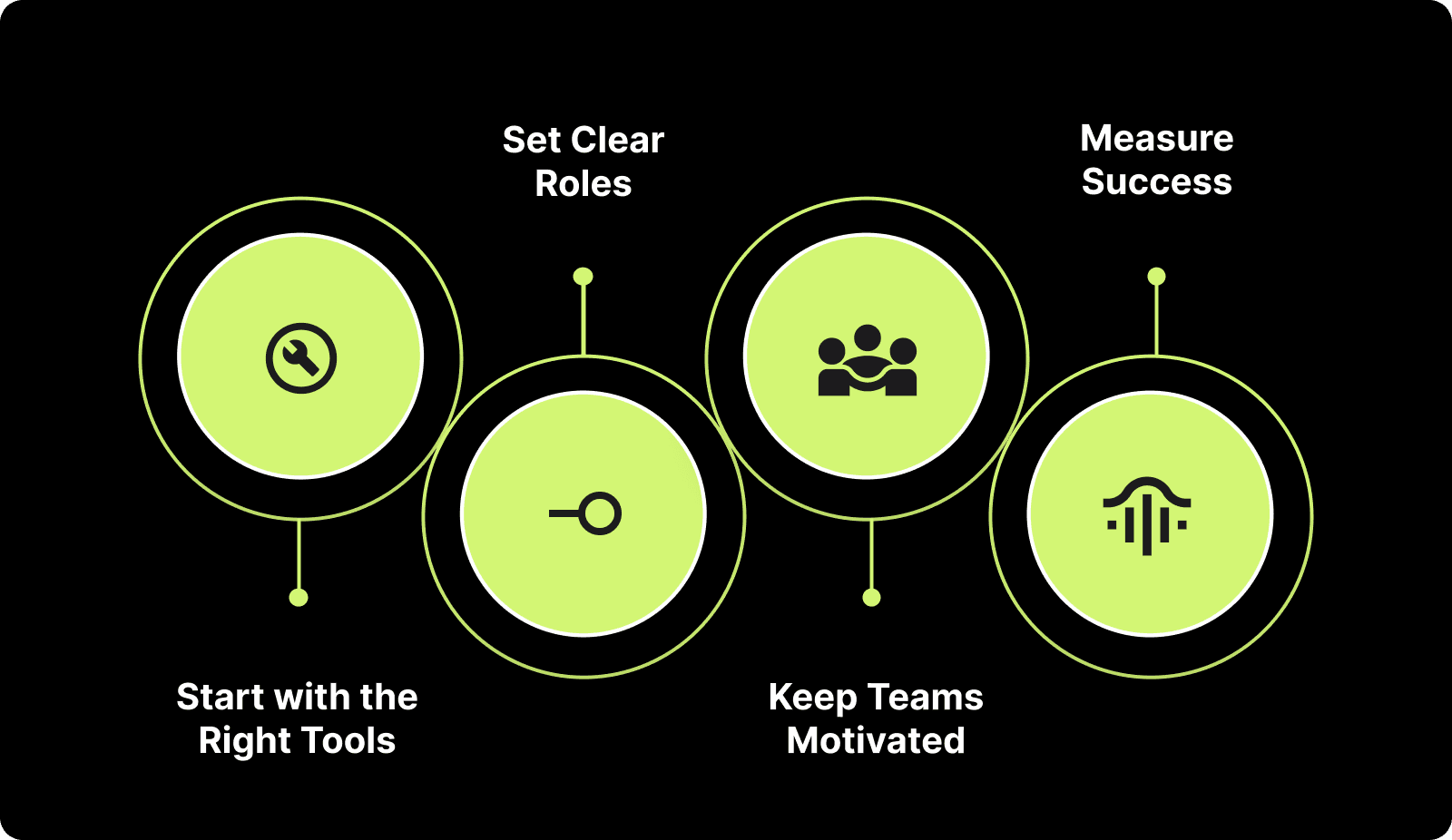
From Implementation to Ongoing Success: Managing Engineering Collaboration
  • Start with the Right Tools: Select tools that integrate smoothly into existing workflows and are easy for your team to adopt, boosting efficiency.

  • Set Clear Roles and Responsibilities: Make sure every team member understands their specific responsibilities and how their work contributes to the project's overall success.

  • Keep Teams Motivated: Regular performance tracking with tools keeps your teams engaged, providing insights that help improve focus and performance.

  • Measure Success: Regularly assess your team's productivity and collaboration effectiveness through data-driven insights. Then adjust strategies to optimize workflows and ensure progress.

By implementing these practices, you can create a collaborative environment that drives consistent success and efficiency throughout your engineering projects.

How Entelligence AI Supports Engineering Project Collaboration?

Collaboration in engineering projects often faces challenges such as a lack of visibility, inefficient workflows, and misaligned goals, which can lead to delays and missed deadlines. When teams struggle to communicate or track progress, the project’s success is at risk, affecting productivity.

Entelligence AI solves these issues by simplifying communication, offering real-time insights, and automating repetitive tasks. It helps you stay aligned and productive, with tools that simplify tracking, reduce bottlenecks, and boost efficiency. By integrating seamlessly into workflows, Entelligence AI ensures you and your teams are always on the same page, driving project success.

Here’s what Entelligence AI offers:

  • Contextual Code Reviews: Reduce back-and-forth by providing real-time, context-aware feedback, ensuring high-quality code with fewer revisions.

  • Automated Documentation: Keeps project documentation up-to-date automatically, reducing misunderstandings and keeping the team informed without manual effort.

  • Team Insights and Sprint Assessments: Tracks team progress, highlights blockers, and optimizes workflows, ensuring deadlines are met efficiently.

  • Leaderboards: Boosts engagement and motivation with gamified performance tracking, keeping you productive and focused.

  • Real-Time Reporting: Provides managers with actionable insights for data-driven decisions that keep the project on track.

By utilizing these features, Entelligence AI helps you and your teams collaborate effectively, eliminating bottlenecks and achieving project goals faster.
Conclusion

Effective collaboration is the foundation of any successful engineering project. When you are aligned with clear goals, open communication, and the right tools, you can drive efficiency, resolve challenges, and achieve superior results. Collaboration boosts workflows, improves decision-making, and ensures project success.

Entelligence AI is the solution that makes teams collaborate more effectively. By automating repetitive tasks, offering real-time insights, and integrating seamlessly with existing tools, it enhances team alignment and productivity.

Optimize your engineering project collaboration with Entelligence AI today; the all-in-one platform is designed to simplify processes and ensure your projects are delivered successfully. Book a demo now!

FAQs 

Q. How can engineers better collaborate with other teams in order to deliver high-quality products?

Engineers can improve collaboration by establishing clear goals, maintaining open communication, using shared tools, and encouraging cross-functional feedback. Aligning priorities and promoting a culture of transparency ensures teams stay focused on delivering quality products.

Q. How do software engineers collaborate on such large projects?

Software engineers collaborate by breaking down tasks into smaller, manageable units, using version control systems, and holding regular standups to sync up. Tools like Jira, GitHub, and Slack ensure smooth communication and tracking across teams.

Q. How do you ensure cross-functional teams work well together?

Ensuring your cross-functional team's success requires aligning goals, clear communication, and regular check-ins. Using integrated collaboration tools and promoting a culture of shared ownership motivates teams, making it easier to solve problems and stay aligned on priorities.

Q. What are the key benefits of gamifying engineering collaboration?

Gamifying collaboration boosts team morale, encourages healthy competition, and increases engagement. Tools like leaderboards and performance tracking motivate developers like you, supporting accountability and making collaboration more dynamic, leading to higher productivity and faster project completion.

Q. How does Entelligence AI enhance engineering project collaboration?

Entelligence AI enhances collaboration by providing real-time insights, automating tasks like code reviews and documentation, and tracking team performance. It integrates seamlessly with existing tools, increasing transparency, improving alignment, and driving more efficient project outcomes.
Collaboration is essential for the success of your engineering projects, especially as you and your teams become more diverse and cross-functional. To stay ahead, you need to ensure smooth, effective teamwork across departments. 

The global Digital Engineering Collaboration Platform market is expected to grow at a CAGR of 13.2% from 2025 to 2033, reaching USD 25.6 billion by 2033. This growth reflects the rising demand for tools that make collaboration easier and more efficient. 

In this blog, you’ll learn why collaboration is so important for your projects, the common challenges you face, and practical steps you can take to improve how you collaborate. You will also be introduced to helpful tools for a smooth collaboration.

Overview

  • Effective collaboration in engineering projects requires aligning people, tools, and processes to achieve efficiency and project success.

  • Common collaboration challenges include misaligned goals, communication barriers, and fragmented tools, all of which delay progress.

  • Leaders should model collaboration, set clear goals, and create a culture that supports teamwork for project success.

  • Integrated tools like Entelligence AI, GitHub, and Jira simplify workflows, automate tasks, and enhance collaboration across teams.

What is Engineering Project Collaboration?

Engineering project collaboration is when you and your teams from different areas, engineering, product, design, and management, work together towards a common goal. Each one of your teammates brings their own expertise, but they all focus on solving the same problem or completing the same project.

Why does this matter? When collaboration is effective, projects get completed faster, problems are solved more easily, and there are fewer delays. Your collaborative team can adapt quickly, share ideas, and keep things moving forward. Without it, you might face confusion, misaligned goals, and missed deadlines.

Also Read: How To Measure And Improve Code Quality?

Common Challenges in Engineering Project Collaboration

While collaboration is essential, it’s not always easy. There are several challenges that you and your team may often face, which can affect your workflow. This includes:

Common Challenges in Engineering Project Collaboration

1. Misalignment of Goals

Without clear communication, you might not understand the project's priorities or vision. This confusion can delay progress and cause friction between team members.

2. Cultural and Communication Barriers

Many engineering teams work in silos, especially in larger companies. This means different departments or team members, like yours, might not be communicating enough, leading to inefficiency and misunderstandings.

3. Lack of Visibility

If there’s no clear way to track progress or if the workflow isn’t transparent, it’s difficult to know where things stand. This lack of visibility often leads to missed deadlines and unnecessary stress.

4. Tool Fragmentation

When you and your teams use separate tools that don’t integrate well, it can slow down work. Switching between tools wastes time and creates gaps in communication and data sharing.

5. Team Performance Tracking

Without proper performance tracking, it’s hard to know whether you and your teammates are on track or meeting expectations. This can result in demotivated team members and missed opportunities for improvement.

How to Engineer Effective Collaboration in Engineering Projects?

To address these challenges and enhance collaboration, we’ve outlined key principles that can help you work more effectively together with your team:

1. Lead by Example

Engineering leaders like you must model collaborative behaviors. Your actions and approach will directly influence how the rest of your team communicates, shares knowledge, and works together.

How to Lead by Example:

  • Encourage openness: Lead transparent conversations where challenges and ideas are freely discussed. Create an environment where no one is afraid to speak up.

  • Be hands-on: Engage in collaborative work yourself, whether it's brainstorming sessions or decision-making processes.

  • Celebrate collective wins: Acknowledge team efforts publicly to show that collaboration is key to success.

Pro Tip: Regularly hold team retrospectives to reflect on collaboration challenges and identify improvements, encouraging a continuous learning mindset.

2. Set Clear Goals and Expectations

Alignment is the bedrock of successful collaboration. Clear, measurable goals ensure everyone on your team knows exactly what’s expected of them and how their work ties into the larger project vision.

How to Set Clear Goals:

  • Define SMART goals: Specific, Measurable, Achievable, Relevant, and Time-bound objectives ensure clarity and focus for each phase of the project.

  • Break goals into smaller tasks: Large projects are easier to manage when they’re divided into actionable, trackable milestones.

  • Clarify individual roles: Everyone should understand not just their tasks but also how their contributions fit into the team’s broader objectives.

Pro Tip: Implement OKRs (Objectives and Key Results) for transparency across teams, helping everyone track progress and stay aligned.

3. Build Around Individual Strengths

Every team member brings unique skills to the table. By identifying individual strengths and assigning tasks accordingly, you can maximize efficiency, quality, and satisfaction.

How to Build Around Individual Strengths:

  • Conduct skills assessments: Regularly evaluate your team’s strengths, weaknesses, and evolving expertise. This ensures tasks are assigned based on skill and interest.

  • Offer growth opportunities: Assign tasks that challenge your team members, allowing them to grow in areas where they want to develop, while utilizing their core strengths.

  • Match tasks to experience levels: Ensure complex tasks go to developers with the right expertise while balancing workload across the team.

Pro Tip: Use a team skill matrix to track each team member’s skills and assign the right tasks to the right people based on expertise.

4. Create a Collaborative Culture

A collaborative culture is key to successful engineering projects. When your team members feel supported and engaged, they are more effective at problem-solving and achieving shared goals.

How to Create a Collaborative Culture:

  • Facilitate open communication: Encourage honest, transparent discussions where everyone feels comfortable sharing ideas and feedback.

  • Promote knowledge sharing: Use tools like Confluence or Notion to document and share expertise across the team.

  • Celebrate team successes: Recognize and celebrate collective achievements, reinforcing the value of collaboration.

  • Encourage cross-functional collaboration: Facilitate opportunities for team members from different departments to work together.

  • Organize team-building activities: Hold activities that build trust among team members.

Pro Tip: Implement regular "knowledge-sharing sessions" where team members can present solutions to problems or share new tools and techniques they’ve learned. This strengthens collaboration and encourages continuous learning.

5. Choose the Right Tools

Using the right tools is key to eliminating friction and ensuring smooth collaboration. Tools should be integrated and support your workflow, rather than creating additional complexity.

Essential Tools for Collaboration:

  • Jira for managing sprints and tracking tasks: It provides transparency into project timelines and helps track bottlenecks.

  • GitHub for version control and code collaboration: It allows multiple developers to work simultaneously, ensuring smooth code integration.

  • Slack or Microsoft Teams for instant communication: These tools support quick decision-making and real-time updates across the team.

  • Entelligence AI for team performance insights: By providing real-time analytics, it helps identify blockers and improve productivity across your team.

Pro Tip: Integrate Entelligence AI with Jira, Slack, and GitHub to streamline your workflow and gain valuable insights, keeping your team aligned without unnecessary tool-switching.

By applying these principles, you’ll simplify collaboration, boost team efficiency, and drive faster, more successful project outcomes.

Essential Tools for Engineering Project Collaboration

Effective collaboration requires the right tools to manage communication, improve visibility, and enhance developer productivity. These tools can help you stay organized, track progress, and ensure seamless project execution.

1. Entelligence AI

Entelligence AI is a powerful tool that provides real-time insights into team performance and automates documentation. By tracking project progress and offering detailed metrics, it reduces bottlenecks, increases visibility, and ensures that everyone stays aligned. It allows engineering teams like yours to collaborate seamlessly, enhancing transparency and driving project success at every stage.

Also Read: How Entelligence.AI is Redefining the Developer Experience

2. GitHub

GitHub is essential for version control and collaborative code sharing. It enables you to track code changes efficiently while preventing conflicts. With GitHub, multiple team members can work on the same project without worrying about overwriting code. This ensures smooth collaboration and maintains consistency throughout the development process.

3. Jira Cloud

Jira Cloud is an indispensable tool for managing engineering projects. It allows you to track tasks, plan sprint reviews, and stay on top of project deadlines. Jira’s customizable workflows ensure that everyone on your team is aligned, making it easier to identify roadblocks and adjust plans, especially in complex, cross-functional projects.

4. Slack/Microsoft Teams

Slack and Microsoft Teams are essential tools for real-time communication and quick collaboration. These tools allow you and your teammates to ask questions, share updates, and discuss issues instantly. With their integration capabilities, they also enable you to stay connected with other departments, ensuring consistent communication across the entire project lifecycle.

5. Notion/Confluence

Notion and Confluence are excellent for organizing and managing project documentation. These tools store all essential information in a single, accessible location, making it easy for you to reference up-to-date project details. They also simplify onboarding for your new team members by providing clear, organized documentation for project processes and best practices.

Integration and Compatibility

The key to effective collaboration is making sure your tools work together. Entelligence AI integrates with Jira, Slack, and GitHub, so your team doesn’t need to switch between different platforms. With this integration, you get real-time updates and insights, making it easier to track progress without any gaps in communication.

The Role of Cross-Functional Collaboration in Engineering Projects

For engineering projects to succeed, cross-functional teams (including engineers, product managers, designers, and marketing) need to work together. When your teams collaborate across functions, they bring different perspectives to the table, leading to better decision-making and quicker problem-solving.

Shared ownership of the project’s success is key. When everyone takes responsibility for the outcome, it drives accountability and ensures that each department plays an active role in the project’s success.

Key Techniques for Enhancing Engineering Project Collaboration

To facilitate effective collaboration, focus on aligning goals, establishing strong communication practices, and providing your teams with the right tools. The techniques mentioned below ensure better collaboration, alignment, and project success:

  • Clarify and Align Project Goals Early: Make sure your team member clearly understands the project’s goals. Early alignment reduces confusion, sets expectations, and minimizes delays.

  • Implement Regular Check-Ins and Reviews: Establish weekly sprints, daily standups, or bi-weekly reviews. These check-ins ensure alignment, address roadblocks, and keep you and your team focused on goals.

  • Share Knowledge Transparently: Make project information easily accessible to all of your team members. A shared platform ensures transparency, reduces misunderstandings, and promotes effective collaboration.

  • Facilitate a Culture of Open Feedback: Encourage a feedback-driven environment where your teammates share constructive suggestions. Continuous feedback improves work quality and strengthens team collaboration.

  • Gamification and Engagement: Use leaderboards and performance tracking to motivate your teams. Gamification boosts morale, encourages accountability, and promotes healthy competition among team members.

  • Continuous Improvement: Utilize tools like Entelligence AI to gather feedback and data, regularly optimizing processes, removing bottlenecks, and improving team efficiency over time.

By applying these techniques, you’ll remove roadblocks, improve communication, and ensure your team stays focused. This will lead to smoother workflows and more successful engineering projects.

Also Read: AI Code Review Techniques and Top Tools

From Implementation to Ongoing Success: Managing Engineering Collaboration

To achieve long-term success and keep collaboration effective, follow these key steps to ensure sustained team alignment and productivity.

From Implementation to Ongoing Success: Managing Engineering Collaboration
  • Start with the Right Tools: Select tools that integrate smoothly into existing workflows and are easy for your team to adopt, boosting efficiency.

  • Set Clear Roles and Responsibilities: Make sure every team member understands their specific responsibilities and how their work contributes to the project's overall success.

  • Keep Teams Motivated: Regular performance tracking with tools keeps your teams engaged, providing insights that help improve focus and performance.

  • Measure Success: Regularly assess your team's productivity and collaboration effectiveness through data-driven insights. Then adjust strategies to optimize workflows and ensure progress.

By implementing these practices, you can create a collaborative environment that drives consistent success and efficiency throughout your engineering projects.

How Entelligence AI Supports Engineering Project Collaboration?

Collaboration in engineering projects often faces challenges such as a lack of visibility, inefficient workflows, and misaligned goals, which can lead to delays and missed deadlines. When teams struggle to communicate or track progress, the project’s success is at risk, affecting productivity.

Entelligence AI solves these issues by simplifying communication, offering real-time insights, and automating repetitive tasks. It helps you stay aligned and productive, with tools that simplify tracking, reduce bottlenecks, and boost efficiency. By integrating seamlessly into workflows, Entelligence AI ensures you and your teams are always on the same page, driving project success.

Here’s what Entelligence AI offers:

  • Contextual Code Reviews: Reduce back-and-forth by providing real-time, context-aware feedback, ensuring high-quality code with fewer revisions.

  • Automated Documentation: Keeps project documentation up-to-date automatically, reducing misunderstandings and keeping the team informed without manual effort.

  • Team Insights and Sprint Assessments: Tracks team progress, highlights blockers, and optimizes workflows, ensuring deadlines are met efficiently.

  • Leaderboards: Boosts engagement and motivation with gamified performance tracking, keeping you productive and focused.

  • Real-Time Reporting: Provides managers with actionable insights for data-driven decisions that keep the project on track.

By utilizing these features, Entelligence AI helps you and your teams collaborate effectively, eliminating bottlenecks and achieving project goals faster.

Conclusion

Effective collaboration is the foundation of any successful engineering project. When you are aligned with clear goals, open communication, and the right tools, you can drive efficiency, resolve challenges, and achieve superior results. Collaboration boosts workflows, improves decision-making, and ensures project success.

Entelligence AI is the solution that makes teams collaborate more effectively. By automating repetitive tasks, offering real-time insights, and integrating seamlessly with existing tools, it enhances team alignment and productivity.

Optimize your engineering project collaboration with Entelligence AI today; the all-in-one platform is designed to simplify processes and ensure your projects are delivered successfully. Book a demo now!

FAQs 

Q. How can engineers better collaborate with other teams in order to deliver high-quality products?

Engineers can improve collaboration by establishing clear goals, maintaining open communication, using shared tools, and encouraging cross-functional feedback. Aligning priorities and promoting a culture of transparency ensures teams stay focused on delivering quality products.

Q. How do software engineers collaborate on such large projects?

Software engineers collaborate by breaking down tasks into smaller, manageable units, using version control systems, and holding regular standups to sync up. Tools like Jira, GitHub, and Slack ensure smooth communication and tracking across teams.

Q. How do you ensure cross-functional teams work well together?

Ensuring your cross-functional team's success requires aligning goals, clear communication, and regular check-ins. Using integrated collaboration tools and promoting a culture of shared ownership motivates teams, making it easier to solve problems and stay aligned on priorities.

Q. What are the key benefits of gamifying engineering collaboration?

Gamifying collaboration boosts team morale, encourages healthy competition, and increases engagement. Tools like leaderboards and performance tracking motivate developers like you, supporting accountability and making collaboration more dynamic, leading to higher productivity and faster project completion.

Q. How does Entelligence AI enhance engineering project collaboration?

Entelligence AI enhances collaboration by providing real-time insights, automating tasks like code reviews and documentation, and tracking team performance. It integrates seamlessly with existing tools, increasing transparency, improving alignment, and driving more efficient project outcomes.
Your questions,

Your questions,

Decoded

Decoded

What makes Entelligence different?

Unlike tools that just flag issues, Entelligence understands context — detecting, explaining, and fixing problems while aligning with product goals and team standards.

Does it replace human reviewers?

No. It amplifies them. Entelligence handles repetitive checks so engineers can focus on architecture, logic, and innovation.

What tools does it integrate with?

It fits right into your workflow — GitHub, GitLab, Jira, Linear, Slack, and more. No setup friction, no context switching.

How secure is my code?

Your code never leaves your environment. Entelligence uses encrypted processing and complies with top industry standards like SOC 2 and HIPAA.

Who is it built for?

Fast-growing engineering teams that want to scale quality, security, and velocity without adding more manual reviews or overhead.

What makes Entelligence different?
Does it replace human reviewers?
What tools does it integrate with?
How secure is my code?
Who is it built for?

Drop your details

We’ll reach out before your next deploy hits production.

We’ll reach out before your next deploy hits production.