How to Manage Remote Engineering Teams: Tips and Strategies

Nov 27, 2025

Nov 27, 2025

Leading remote engineering teams can be a tough task, especially when communication struggles and collaboration become harder. Without face-to-face interaction, it’s easy for team members to feel disconnected. 

However, remote work offers major benefits. In fact, 71% of remote workers say it helps them find a better balance between work and personal life. This balance can boost productivity and overall team satisfaction. So, how can you turn these challenges into opportunities?

In this article, we’ll dive into how to effectively manage remote engineering teams, covering the complexities and providing you with the strategies that can improve performance, promote collaboration, and keep your team aligned, no matter where they are.

Overview

  • Managing your remote team requires overcoming challenges like time zone mismatches, lack of direct interaction, and misalignment, which can affect productivity.

  • Hiring adaptable engineers who thrive in asynchronous settings and setting clear expectations are important for success in remote environments.

  • Strong remote leadership focuses on transparency, collaboration, and supporting engineers without micromanaging.

  • Automating tasks like code reviews and sprint assessments with AI tools boosts efficiency and reduces manual overhead.

  • Promoting team wellbeing, regular feedback, and real-time progress tracking ensures sustained engagement and high performance.

What Are the Complexities of Managing Remote Engineering Teams?

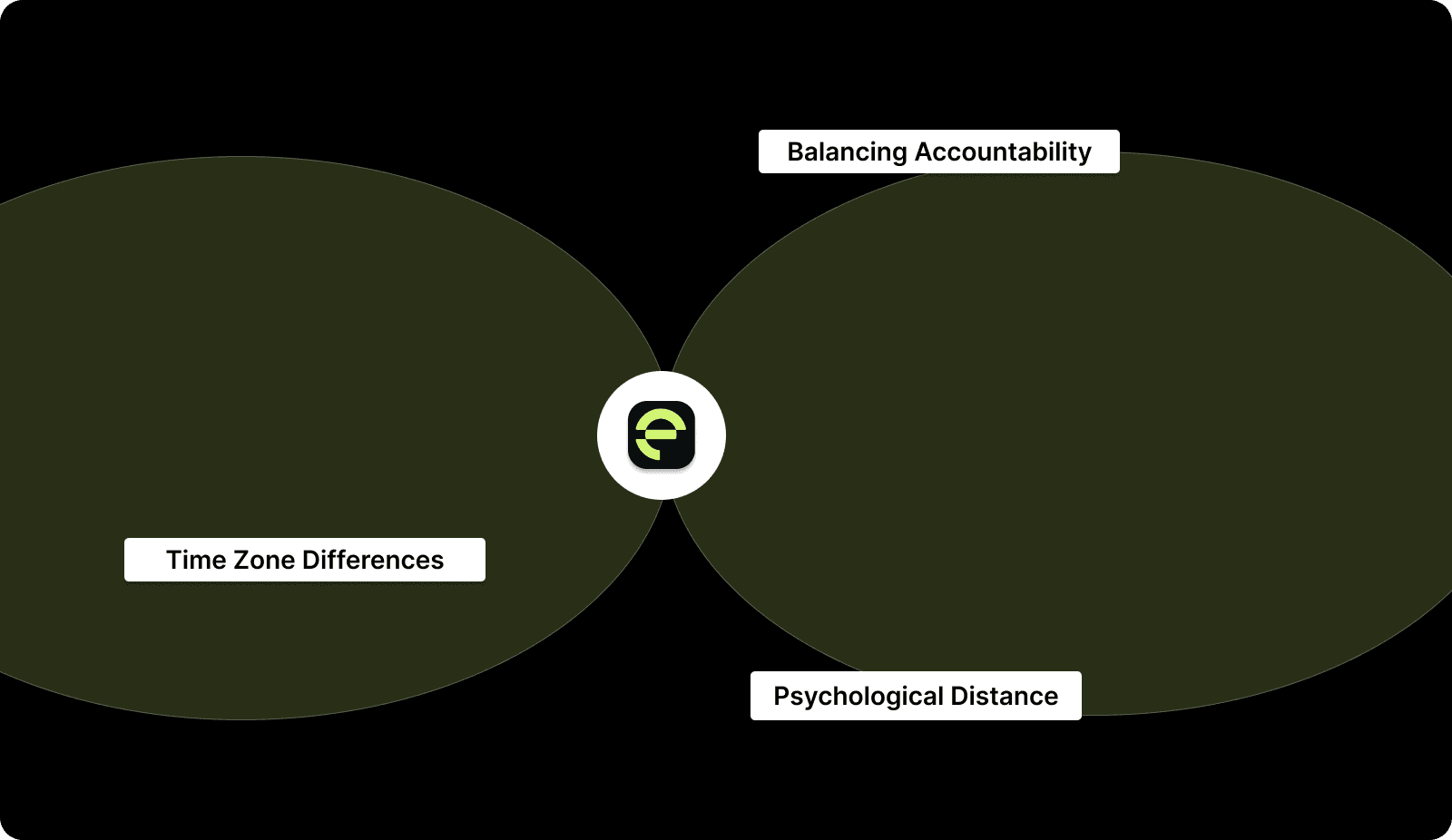
Managing a remote engineering team presents unique challenges. These complexities arise from the lack of physical presence, varying time zones, and the delicate balance between autonomy and accountability. These factors can impact collaboration, communication, and overall team alignment.
What Are the Complexities of Managing Remote Engineering Teams?

1. Time Zone Differences and Their Impact on Workflow

The physical distance between you and your colleagues often results in time zone mismatches. This can lead to delayed communication, slower decision-making, and missed opportunities for collaboration. The lack of overlapping working hours can create bottlenecks, making it difficult to address issues in real-time.

2. Balancing Accountability and Autonomy

Remote work succeeds on autonomy, but this can sometimes become a double-edged sword. Without face-to-face interactions or clear oversight, it becomes harder to maintain accountability. You might find yourself working independently without a clear sense of what’s happening with other parts of the project, leading to potential misalignment.

3. Psychological Distance and Its Effect on Wellbeing

Remote work can create an emotional gap between you and your team. The absence of casual in-person interactions makes it harder to build personal relationships and can lead to a sense of isolation. This emotional detachment may cause you to feel disconnected from your team and contribute to remote fatigue, even when the work itself is engaging.

To deal with these issues effectively, it is important to have some useful tips in place. Let’s discuss them in the following sections.

Also Read: How To Revert A Git Pull Request

Tips to Build the Right Remote Engineering Team

Building a successful remote engineering team requires the right hiring practices, leadership, clear expectations, strong communication, and an engaged culture. Here’s how you can create the perfect team.

1. Hiring for Remote Work Adaptability

To succeed in a remote environment, engineers must be self-motivated, adaptable, and capable of working independently. Focus on hiring individuals who can take ownership of their tasks without constant supervision.

Actionable Tip: 

  • Implement skills-based assessments and scenario-based questions to evaluate candidates' ability to handle remote work challenges. 

  • Test how they manage time zone differences, communicate asynchronously, and maintain productivity without micromanagement.

2. The Right Leadership Roles in Remote Engineering Teams

Strong leadership is important in guiding a remote engineering team. Roles such as Architect, Technical Lead, Developers, QA Engineers, and Business Analysts all require a practical approach to remote management, where trust and autonomy are key.

Actionable Tip: 

  • Ensure leaders have a proven ability to collaborate remotely, support individuals without micromanaging, and maintain transparency. 

  • Leadership should focus on clear communication and accountability while developing a culture of support.

3. Setting Clear Expectations and Responsibilities

Without clear expectations, you or your remote team can easily experience misalignment. Roles, deadlines, and objectives must be well-defined and easily accessible to all team members.

Actionable Tip: 

  • Use tools like Jira or Asana to break down tasks, set clear goals, and assign responsibilities. 

  • Establish daily check-ins or weekly reviews to ensure that everyone is on track and knows what they are accountable for.

4. Invest in Onboarding and Continuous Training

A solid onboarding process is important to make new remote hires feel integrated from day one. Continuous training ensures engineers keep up with evolving technologies and processes.

Actionable Tip: 

  • Develop an onboarding checklist that includes technical setup, company culture integration, and role-specific training. 

  • Implement self-paced learning platforms and regular mentorship to help engineers grow and stay engaged in the long term.

5. Ensuring Strong Communication

Clear and consistent communication is essential, especially when remote teams rely on digital platforms for collaboration. The right communication tools and practices ensure that important messages are conveyed without ambiguity.

Actionable Tip: 

  • Set expectations for response times on platforms like Slack and email. Use Zoom for face-to-face meetings and Slack threads for specific project discussions to keep conversations organized. 

  • Ensure there are regular updates on project progress and team activities.

6. Promoting Team Building and Engagement

Even in remote settings, promoting a sense of belonging and engagement is essential. Regular team-building activities help boost morale and enhance collaboration.

Actionable Tip: 

  • Schedule virtual team-building events such as online games, brainstorming sessions, or trivia. 

  • Create informal spaces for watercooler conversations through platforms like Slack or Microsoft Teams, where you and your team members can engage without work-related pressure.

7. Creating Clear Documentation Standards

Documentation ensures that knowledge is shared and accessible across remote teams. This helps in preventing miscommunication and redundant work.

Actionable Tip: 

  • Implement a documentation-first culture where engineers update documents as they work on code. 

  • Use platforms like Confluence or Notion to store and organize documentation. Also, ensure that architecture decisions and code updates are consistently reflected in the knowledge base.

While implementing these useful tips can help you manage your remote team efficiently, exploring further strategies can provide additional benefits for enhancing your team's performance.

Strategies to Improve Remote Engineering Team Output

Maximizing your remote engineering team’s productivity requires strategic planning and smart implementation of productivity tools and practices. Here are key strategies you can apply to simplify processes, promote collaboration, and ensure high performance.

1. Simplify and Automate Processes

Remote teams often face inefficiencies due to the manual handling of repetitive tasks. Automating time-consuming workflows helps you free up your engineers to focus on core development work, boosting productivity and enabling them to contribute more effectively to high-value projects.

Here’s what to do:

  • Implement AI-powered tools like Entelligence AI to automate code reviews, bug tracking, and sprint assessments.

  • Use GitHub, Jira, and Slack to integrate task tracking, reducing context switching and allowing for smooth, uninterrupted workflow management.

  • Set up automated reminders and task allocation systems to ensure the timely completion of all tasks.

Also Read: How Entelligence AI Empowers Engineering Leaders to Drive High-Performing Teams

2. Implement a Feedback Culture

Feedback is essential for continuous improvement, but your remote team may lack the immediate, in-person interactions that facilitate it. Building a feedback-driven culture encourages open communication, ensuring that you and your team remain aligned on goals and progress.

Here’s what to do:

  • Conduct Sprint retrospectives to reflect on the project’s successes and challenges.

  • Set up weekly one-on-ones to create a safe space where your engineers can voice concerns and receive constructive feedback.

  • Use tools like 15Five or Lattice to capture ongoing feedback and track development.

3. Invest in Team Health & Wellbeing

Maintaining work-life balance is needed in remote teams, as it’s easy to overwork and experience burnout. Prioritizing your team’s mental health will keep them engaged and productive in the long run. By providing emotional support and allowing for proper downtime, you ensure that your engineers stay at their best.

Here’s what to do:

  • Implement regular mental health check-ins to ensure your engineers aren’t overwhelmed.

  • Offer mental health days and encourage participation in virtual mindfulness or relaxation sessions.

  • Set clear boundaries for working hours to prevent overwork and encourage well-deserved breaks.

4. Implement Real-time Progress Tracking with Dashboards

Without physical oversight, monitoring progress can be difficult. Real-time dashboards help you track individual and team performance, enabling you to make quick adjustments to workloads and resources. This visibility helps you prevent delays and ensure tasks are completed efficiently.

Here’s what to do:

  • Use Entelligence AI to set up real-time sprint assessment dashboards that give you a detailed overview of performance and progress.

  • Use tools like Jira or Trello to create a central tracking system for project milestones.

  • Monitor progress continuously to quickly identify and resolve bottlenecks.

5. Ensure Cross-Team Collaboration

In a remote environment, it’s easy for engineers to become isolated, focusing solely on their tasks without engaging with other departments. Encouraging collaboration with teams like product, design, and marketing promotes alignment and shared ownership, leading to better product outcomes.

Here’s what to do:

  • Schedule bi-weekly syncs with cross-functional teams to ensure everyone is aligned on goals and timelines.

  • Use Slack or Microsoft Teams to facilitate seamless communication and document sharing across departments.

  • Encourage your engineers to contribute to product development discussions, ensuring their feedback is incorporated early on.

Useful Tools for Managing Remote Engineering Teams

Incorporating the right tools can significantly enhance remote team collaboration, productivity, and security. Here are some of the most effective tools that can address common challenges faced by remote engineering teams:

Tool Category

Recommended Tools

Key Benefits

Communication & Collaboration

Slack, Microsoft Teams, Zoom

Enables real-time communication and video conferencing, helping you and your team stay connected despite distances.

Project & Task Management

Jira, Asana

Simplifies task management, sprint planning, and task tracking, ensuring accountability and alignment.

Code Review & Collaboration

GitHub, GitLab, Bitbucket, Entelligence AI

Facilitates efficient code reviews, version control, and team collaboration on code.

Documentation

Confluence, Notion, Google Docs

Provides easy collaboration and ensures up-to-date, accessible project documentation.

Real-time Analytics & Tracking

Entelligence AI

Offers real-time performance insights and sprint progress, enabling quick decision-making.

Security

Entelligence AI’s Security Dashboard

Continuously monitors for vulnerabilities and mitigates risks to ensure secure remote projects.

By incorporating these tools into your workflow, you can overcome many of the challenges your remote team may be facing now and ensure smoother project execution, better collaboration, and more efficient team management.

Addressing Remote Engineering Team Challenges Through Technology

Managing remote engineering teams requires the right tech tools to stay aligned, productive, and secure. Here’s how you can address common challenges using technology:
Addressing Remote Engineering Team Challenges Through Technology

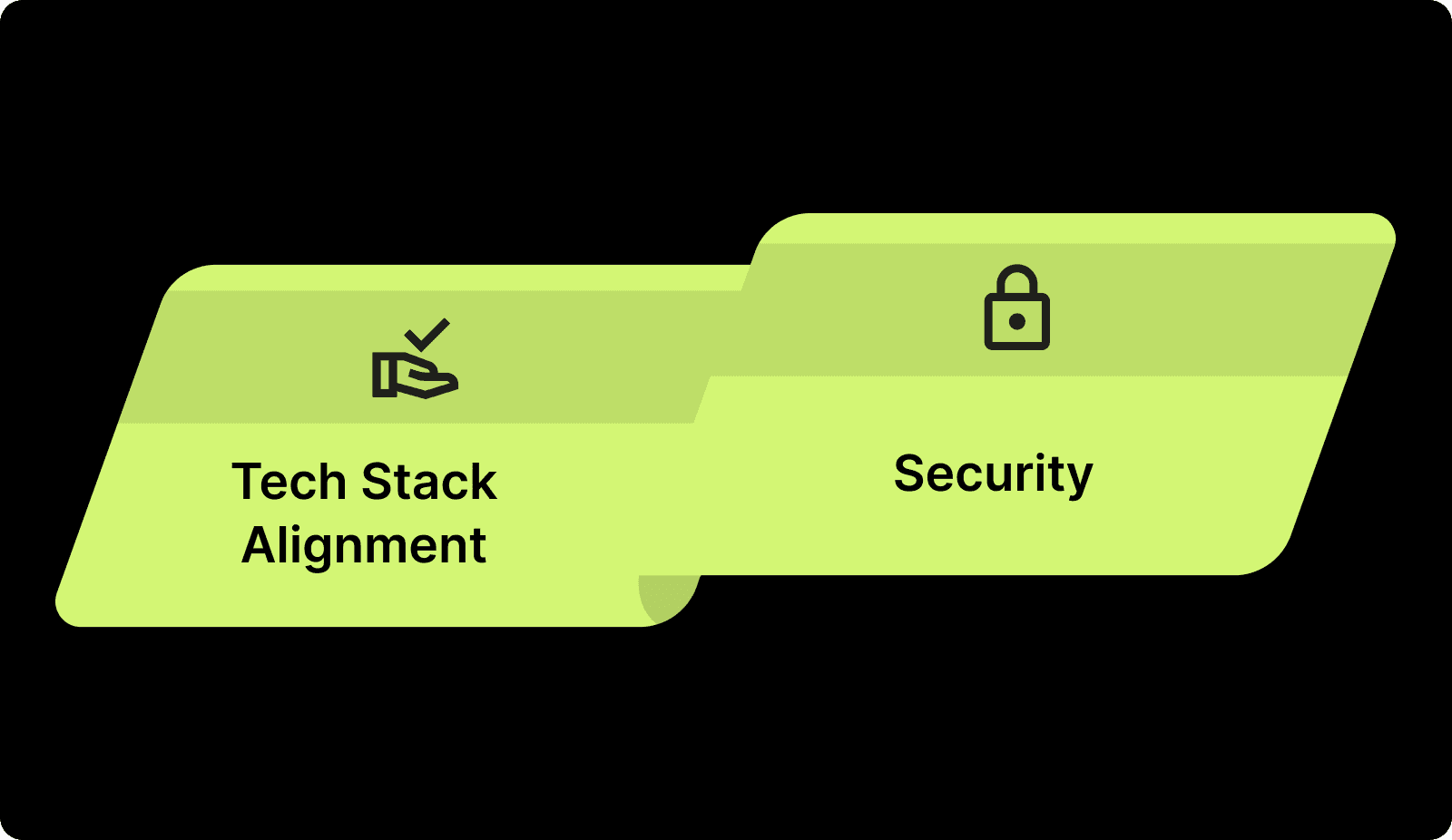
1. Tech Stack Alignment

A fragmented tech stack can cause confusion and inefficiency, making collaboration harder than it needs to be. Simplify your team’s toolset by selecting software that integrates seamlessly with each other. Over-complicating your tech stack can lead to frustration and wasted time, ultimately affecting performance.

2. Security

Security is an essential issue if you and your team work remotely. This is particularly true when handling sensitive data and code. Without the same physical oversight, there’s a higher risk of vulnerabilities that could compromise your project’s integrity. Continuous monitoring is key to detecting and addressing security risks early before they become major threats.

To tackle these challenges, you will need the right tools to optimize workflows and ensure security. With Entelligence AI, you can automate code reviews, track sprint progress, and enhance collaboration, all in real-time.

Also Read: Choosing the Right Tool: Top 7 Graphite Alternatives for AI Code Review

How Entelligence AI Can Optimize Your Remote Engineering Team?

Managing a remote engineering team often means dealing with slow code reviews, partial visibility into workflows, and inconsistent documentation. These factors force you into context‑switching, chasing updates, and spending too much time on manual tracking instead of innovation.

Entelligence AI addresses these obstacles by automating reviews, surfacing insights dynamically, and bridging knowledge gaps through seamless tool integrations. With real‑time context and performance visibility built into your existing environment, you can align your work more fluidly and reduce overhead.

Here’s what Entelligence AI offers:

  • AI‑Powered Pull Request Reviews: Automated line‑by‑line feedback and summaries with full codebase awareness. 

  • Automated Documentation Generation: Real‑time generation and synchronization of architecture diagrams, API docs, and code explanations.

  • Team Performance Insights: Metrics and qualitative insights into velocity, bottlenecks, code quality and collaboration.

  • IDE & Workflow Integrations: Direct support in editors (like VS Code), issue tracking systems (GitHub/Jira), and collaboration tools (Slack) to reduce context‑switching.

  • Context‑Aware Codebase Understanding: Analyzes the entire codebase to catch cross‑file issues and architectural anomalies, not just the current file.

By embedding intelligence into your engineering workflow, Entelligence AI helps you stay aligned, maintain quality, and boost delivery without adding any complexity.

Conclusion

Managing remote engineering teams requires thoughtful planning, clear communication, and an emphasis on team culture. By following these tips and implementing effective strategies, you can create a high-performing, engaged, and well-connected remote engineering team.

Additionally, Entelligence AI can help optimize your remote team's productivity by offering powerful AI-driven insights, real-time monitoring, and seamless integration with your existing tools.

Take a free demo today to see how Entelligence AI can help your remote engineering team work smarter and faster.

Frequently Asked Questions

Q. What are some effective ways to lead a remote software development team and keep them engaged?

To effectively lead a remote software development team, prioritize clear communication, transparent goals, and regular check-ins. Use tools like Slack and Jira for collaboration. Implement a feedback-driven culture and encourage virtual team-building activities to maintain engagement.

Q. How do I build a high-performing remote team?

Building a high-performing remote team starts with hiring for self-discipline, adaptability, and strong communication skills. Set clear expectations, use AI tools for automation, and encourage continuous feedback. Prioritize a healthy work-life balance to prevent burnout and maintain motivation.

Q. What is the biggest challenge in managing an international remote team, and how have you personally overcome it?

The biggest challenge is navigating time zone differences, leading to delayed communication and coordination issues. To overcome this, you can prioritize asynchronous communication and use flexible scheduling. Tools like Notion and Slack allow teams to collaborate effectively across time zones.

Q. How To Hire A Remote Engineer?

To hire a remote engineer, focus on self-motivation, strong problem-solving skills, and effective communication. Use skills-based assessments and scenario-based questions to test adaptability. Also, assess cultural fit by exploring how they’ve worked in distributed teams before.

Q. How Can Remote Engineering Teams Be Profitable For Businesses?

Remote engineering teams increase profitability by reducing overhead costs associated with office space. They offer access to a global talent pool, enabling companies to hire the best developers. Efficient use of AI-powered tools and asynchronous workflows can promote product delivery and reduce time-to-market.
Leading remote engineering teams can be a tough task, especially when communication struggles and collaboration become harder. Without face-to-face interaction, it’s easy for team members to feel disconnected. 

However, remote work offers major benefits. In fact, 71% of remote workers say it helps them find a better balance between work and personal life. This balance can boost productivity and overall team satisfaction. So, how can you turn these challenges into opportunities?

In this article, we’ll dive into how to effectively manage remote engineering teams, covering the complexities and providing you with the strategies that can improve performance, promote collaboration, and keep your team aligned, no matter where they are.

Overview

  • Managing your remote team requires overcoming challenges like time zone mismatches, lack of direct interaction, and misalignment, which can affect productivity.

  • Hiring adaptable engineers who thrive in asynchronous settings and setting clear expectations are important for success in remote environments.

  • Strong remote leadership focuses on transparency, collaboration, and supporting engineers without micromanaging.

  • Automating tasks like code reviews and sprint assessments with AI tools boosts efficiency and reduces manual overhead.

  • Promoting team wellbeing, regular feedback, and real-time progress tracking ensures sustained engagement and high performance.

What Are the Complexities of Managing Remote Engineering Teams?

Managing a remote engineering team presents unique challenges. These complexities arise from the lack of physical presence, varying time zones, and the delicate balance between autonomy and accountability. These factors can impact collaboration, communication, and overall team alignment.

What Are the Complexities of Managing Remote Engineering Teams?

1. Time Zone Differences and Their Impact on Workflow

The physical distance between you and your colleagues often results in time zone mismatches. This can lead to delayed communication, slower decision-making, and missed opportunities for collaboration. The lack of overlapping working hours can create bottlenecks, making it difficult to address issues in real-time.

2. Balancing Accountability and Autonomy

Remote work succeeds on autonomy, but this can sometimes become a double-edged sword. Without face-to-face interactions or clear oversight, it becomes harder to maintain accountability. You might find yourself working independently without a clear sense of what’s happening with other parts of the project, leading to potential misalignment.

3. Psychological Distance and Its Effect on Wellbeing

Remote work can create an emotional gap between you and your team. The absence of casual in-person interactions makes it harder to build personal relationships and can lead to a sense of isolation. This emotional detachment may cause you to feel disconnected from your team and contribute to remote fatigue, even when the work itself is engaging.

To deal with these issues effectively, it is important to have some useful tips in place. Let’s discuss them in the following sections.

Also Read: How To Revert A Git Pull Request

Tips to Build the Right Remote Engineering Team

Building a successful remote engineering team requires the right hiring practices, leadership, clear expectations, strong communication, and an engaged culture. Here’s how you can create the perfect team.

1. Hiring for Remote Work Adaptability

To succeed in a remote environment, engineers must be self-motivated, adaptable, and capable of working independently. Focus on hiring individuals who can take ownership of their tasks without constant supervision.

Actionable Tip: 

  • Implement skills-based assessments and scenario-based questions to evaluate candidates' ability to handle remote work challenges. 

  • Test how they manage time zone differences, communicate asynchronously, and maintain productivity without micromanagement.

2. The Right Leadership Roles in Remote Engineering Teams

Strong leadership is important in guiding a remote engineering team. Roles such as Architect, Technical Lead, Developers, QA Engineers, and Business Analysts all require a practical approach to remote management, where trust and autonomy are key.

Actionable Tip: 

  • Ensure leaders have a proven ability to collaborate remotely, support individuals without micromanaging, and maintain transparency. 

  • Leadership should focus on clear communication and accountability while developing a culture of support.

3. Setting Clear Expectations and Responsibilities

Without clear expectations, you or your remote team can easily experience misalignment. Roles, deadlines, and objectives must be well-defined and easily accessible to all team members.

Actionable Tip: 

  • Use tools like Jira or Asana to break down tasks, set clear goals, and assign responsibilities. 

  • Establish daily check-ins or weekly reviews to ensure that everyone is on track and knows what they are accountable for.

4. Invest in Onboarding and Continuous Training

A solid onboarding process is important to make new remote hires feel integrated from day one. Continuous training ensures engineers keep up with evolving technologies and processes.

Actionable Tip: 

  • Develop an onboarding checklist that includes technical setup, company culture integration, and role-specific training. 

  • Implement self-paced learning platforms and regular mentorship to help engineers grow and stay engaged in the long term.

5. Ensuring Strong Communication

Clear and consistent communication is essential, especially when remote teams rely on digital platforms for collaboration. The right communication tools and practices ensure that important messages are conveyed without ambiguity.

Actionable Tip: 

  • Set expectations for response times on platforms like Slack and email. Use Zoom for face-to-face meetings and Slack threads for specific project discussions to keep conversations organized. 

  • Ensure there are regular updates on project progress and team activities.

6. Promoting Team Building and Engagement

Even in remote settings, promoting a sense of belonging and engagement is essential. Regular team-building activities help boost morale and enhance collaboration.

Actionable Tip: 

  • Schedule virtual team-building events such as online games, brainstorming sessions, or trivia. 

  • Create informal spaces for watercooler conversations through platforms like Slack or Microsoft Teams, where you and your team members can engage without work-related pressure.

7. Creating Clear Documentation Standards

Documentation ensures that knowledge is shared and accessible across remote teams. This helps in preventing miscommunication and redundant work.

Actionable Tip: 

  • Implement a documentation-first culture where engineers update documents as they work on code. 

  • Use platforms like Confluence or Notion to store and organize documentation. Also, ensure that architecture decisions and code updates are consistently reflected in the knowledge base.

While implementing these useful tips can help you manage your remote team efficiently, exploring further strategies can provide additional benefits for enhancing your team's performance.

Strategies to Improve Remote Engineering Team Output

Maximizing your remote engineering team’s productivity requires strategic planning and smart implementation of productivity tools and practices. Here are key strategies you can apply to simplify processes, promote collaboration, and ensure high performance.

1. Simplify and Automate Processes

Remote teams often face inefficiencies due to the manual handling of repetitive tasks. Automating time-consuming workflows helps you free up your engineers to focus on core development work, boosting productivity and enabling them to contribute more effectively to high-value projects.

Here’s what to do:

  • Implement AI-powered tools like Entelligence AI to automate code reviews, bug tracking, and sprint assessments.

  • Use GitHub, Jira, and Slack to integrate task tracking, reducing context switching and allowing for smooth, uninterrupted workflow management.

  • Set up automated reminders and task allocation systems to ensure the timely completion of all tasks.

Also Read: How Entelligence AI Empowers Engineering Leaders to Drive High-Performing Teams

2. Implement a Feedback Culture

Feedback is essential for continuous improvement, but your remote team may lack the immediate, in-person interactions that facilitate it. Building a feedback-driven culture encourages open communication, ensuring that you and your team remain aligned on goals and progress.

Here’s what to do:

  • Conduct Sprint retrospectives to reflect on the project’s successes and challenges.

  • Set up weekly one-on-ones to create a safe space where your engineers can voice concerns and receive constructive feedback.

  • Use tools like 15Five or Lattice to capture ongoing feedback and track development.

3. Invest in Team Health & Wellbeing

Maintaining work-life balance is needed in remote teams, as it’s easy to overwork and experience burnout. Prioritizing your team’s mental health will keep them engaged and productive in the long run. By providing emotional support and allowing for proper downtime, you ensure that your engineers stay at their best.

Here’s what to do:

  • Implement regular mental health check-ins to ensure your engineers aren’t overwhelmed.

  • Offer mental health days and encourage participation in virtual mindfulness or relaxation sessions.

  • Set clear boundaries for working hours to prevent overwork and encourage well-deserved breaks.

4. Implement Real-time Progress Tracking with Dashboards

Without physical oversight, monitoring progress can be difficult. Real-time dashboards help you track individual and team performance, enabling you to make quick adjustments to workloads and resources. This visibility helps you prevent delays and ensure tasks are completed efficiently.

Here’s what to do:

  • Use Entelligence AI to set up real-time sprint assessment dashboards that give you a detailed overview of performance and progress.

  • Use tools like Jira or Trello to create a central tracking system for project milestones.

  • Monitor progress continuously to quickly identify and resolve bottlenecks.

5. Ensure Cross-Team Collaboration

In a remote environment, it’s easy for engineers to become isolated, focusing solely on their tasks without engaging with other departments. Encouraging collaboration with teams like product, design, and marketing promotes alignment and shared ownership, leading to better product outcomes.

Here’s what to do:

  • Schedule bi-weekly syncs with cross-functional teams to ensure everyone is aligned on goals and timelines.

  • Use Slack or Microsoft Teams to facilitate seamless communication and document sharing across departments.

  • Encourage your engineers to contribute to product development discussions, ensuring their feedback is incorporated early on.

Useful Tools for Managing Remote Engineering Teams

Incorporating the right tools can significantly enhance remote team collaboration, productivity, and security. Here are some of the most effective tools that can address common challenges faced by remote engineering teams:

Tool Category

Recommended Tools

Key Benefits

Communication & Collaboration

Slack, Microsoft Teams, Zoom

Enables real-time communication and video conferencing, helping you and your team stay connected despite distances.

Project & Task Management

Jira, Asana

Simplifies task management, sprint planning, and task tracking, ensuring accountability and alignment.

Code Review & Collaboration

GitHub, GitLab, Bitbucket, Entelligence AI

Facilitates efficient code reviews, version control, and team collaboration on code.

Documentation

Confluence, Notion, Google Docs

Provides easy collaboration and ensures up-to-date, accessible project documentation.

Real-time Analytics & Tracking

Entelligence AI

Offers real-time performance insights and sprint progress, enabling quick decision-making.

Security

Entelligence AI’s Security Dashboard

Continuously monitors for vulnerabilities and mitigates risks to ensure secure remote projects.

By incorporating these tools into your workflow, you can overcome many of the challenges your remote team may be facing now and ensure smoother project execution, better collaboration, and more efficient team management.

Addressing Remote Engineering Team Challenges Through Technology

Managing remote engineering teams requires the right tech tools to stay aligned, productive, and secure. Here’s how you can address common challenges using technology:

Addressing Remote Engineering Team Challenges Through Technology

1. Tech Stack Alignment

A fragmented tech stack can cause confusion and inefficiency, making collaboration harder than it needs to be. Simplify your team’s toolset by selecting software that integrates seamlessly with each other. Over-complicating your tech stack can lead to frustration and wasted time, ultimately affecting performance.

2. Security

Security is an essential issue if you and your team work remotely. This is particularly true when handling sensitive data and code. Without the same physical oversight, there’s a higher risk of vulnerabilities that could compromise your project’s integrity. Continuous monitoring is key to detecting and addressing security risks early before they become major threats.

To tackle these challenges, you will need the right tools to optimize workflows and ensure security. With Entelligence AI, you can automate code reviews, track sprint progress, and enhance collaboration, all in real-time.

Also Read: Choosing the Right Tool: Top 7 Graphite Alternatives for AI Code Review

How Entelligence AI Can Optimize Your Remote Engineering Team?

Managing a remote engineering team often means dealing with slow code reviews, partial visibility into workflows, and inconsistent documentation. These factors force you into context‑switching, chasing updates, and spending too much time on manual tracking instead of innovation.

Entelligence AI addresses these obstacles by automating reviews, surfacing insights dynamically, and bridging knowledge gaps through seamless tool integrations. With real‑time context and performance visibility built into your existing environment, you can align your work more fluidly and reduce overhead.

Here’s what Entelligence AI offers:

  • AI‑Powered Pull Request Reviews: Automated line‑by‑line feedback and summaries with full codebase awareness. 

  • Automated Documentation Generation: Real‑time generation and synchronization of architecture diagrams, API docs, and code explanations.

  • Team Performance Insights: Metrics and qualitative insights into velocity, bottlenecks, code quality and collaboration.

  • IDE & Workflow Integrations: Direct support in editors (like VS Code), issue tracking systems (GitHub/Jira), and collaboration tools (Slack) to reduce context‑switching.

  • Context‑Aware Codebase Understanding: Analyzes the entire codebase to catch cross‑file issues and architectural anomalies, not just the current file.

By embedding intelligence into your engineering workflow, Entelligence AI helps you stay aligned, maintain quality, and boost delivery without adding any complexity.

Conclusion

Managing remote engineering teams requires thoughtful planning, clear communication, and an emphasis on team culture. By following these tips and implementing effective strategies, you can create a high-performing, engaged, and well-connected remote engineering team.

Additionally, Entelligence AI can help optimize your remote team's productivity by offering powerful AI-driven insights, real-time monitoring, and seamless integration with your existing tools.

Take a free demo today to see how Entelligence AI can help your remote engineering team work smarter and faster.

Frequently Asked Questions

Q. What are some effective ways to lead a remote software development team and keep them engaged?

To effectively lead a remote software development team, prioritize clear communication, transparent goals, and regular check-ins. Use tools like Slack and Jira for collaboration. Implement a feedback-driven culture and encourage virtual team-building activities to maintain engagement.

Q. How do I build a high-performing remote team?

Building a high-performing remote team starts with hiring for self-discipline, adaptability, and strong communication skills. Set clear expectations, use AI tools for automation, and encourage continuous feedback. Prioritize a healthy work-life balance to prevent burnout and maintain motivation.

Q. What is the biggest challenge in managing an international remote team, and how have you personally overcome it?

The biggest challenge is navigating time zone differences, leading to delayed communication and coordination issues. To overcome this, you can prioritize asynchronous communication and use flexible scheduling. Tools like Notion and Slack allow teams to collaborate effectively across time zones.

Q. How To Hire A Remote Engineer?

To hire a remote engineer, focus on self-motivation, strong problem-solving skills, and effective communication. Use skills-based assessments and scenario-based questions to test adaptability. Also, assess cultural fit by exploring how they’ve worked in distributed teams before.

Q. How Can Remote Engineering Teams Be Profitable For Businesses?

Remote engineering teams increase profitability by reducing overhead costs associated with office space. They offer access to a global talent pool, enabling companies to hire the best developers. Efficient use of AI-powered tools and asynchronous workflows can promote product delivery and reduce time-to-market.

Your questions,

Your questions,

Decoded

Decoded

What makes Entelligence different?

Unlike tools that just flag issues, Entelligence understands context — detecting, explaining, and fixing problems while aligning with product goals and team standards.

Does it replace human reviewers?

No. It amplifies them. Entelligence handles repetitive checks so engineers can focus on architecture, logic, and innovation.

What tools does it integrate with?

It fits right into your workflow — GitHub, GitLab, Jira, Linear, Slack, and more. No setup friction, no context switching.

How secure is my code?

Your code never leaves your environment. Entelligence uses encrypted processing and complies with top industry standards like SOC 2 and HIPAA.

Who is it built for?

Fast-growing engineering teams that want to scale quality, security, and velocity without adding more manual reviews or overhead.

What makes Entelligence different?
Does it replace human reviewers?
What tools does it integrate with?
How secure is my code?
Who is it built for?

Drop your details

We’ll reach out before your next deploy hits production.

We’ll reach out before your next deploy hits production.