

Top 10 Jira AI-Assisted Sprint Planning Tools for 2026
Dec 12, 2025
Dec 12, 2025
Software development teams are quietly losing nearly 20 workdays per year to tool failures, bugs, and slow workflows. That’s almost a full month of capacity wasted simply because planning and tools don’t keep up.
As delivery pressure increases and teams scale across regions, sprint planning becomes the hidden bottleneck: cycles stretch longer, estimates drift further from reality, and rollover work piles up until every sprint starts with debt.
Manual pointing sessions, scattered context, and guesswork-driven scope decisions make planning feel less like strategy and more like damage control. AI is changing that equation. By analyzing throughput and risk, AI-assisted planning makes Jira sprints faster and far more predictable.
This guide breaks down the top 10 Jira AI-assisted sprint planning tools for 2026; the ones turning sprints from uncertainty into execution you can trust.
Overview
AI sprint planning is a productivity unlock: Teams lose nearly 20 workdays a year to planning inefficiencies, and AI tools help recover that lost capacity.
Delivery confidence matters more than speed: The best tools reduce rollover work by improving the quality of what enters the sprint.
Deep Jira integration is a must-have: AI features only work if they live where teams already plan, review, and update work.
Data-driven insights outperform intuition: Using velocity, dependencies, and risk signals creates sprint commitments that actually hold.
Entelligence AI stands out on execution: It validates code health before commitment so planned work is work that ships.
Top 10 Jira AI-Assisted Sprint Planning Tools
Not all AI planning tools are built equal. Some only auto-generate stories; others truly reshape how sprint commitments hold up under real delivery pressure.
The teams moving fastest right now are choosing tools that don’t just assist with planning; they reliably improve sprint outcomes. If competitors are already using AI to scope tighter, spot risks earlier, and cut rollover work in half, waiting is the only way to fall behind.
The list below highlights the top 10 Jira AI-assisted sprint planning tools leading that shift.
1. Entelligence AI
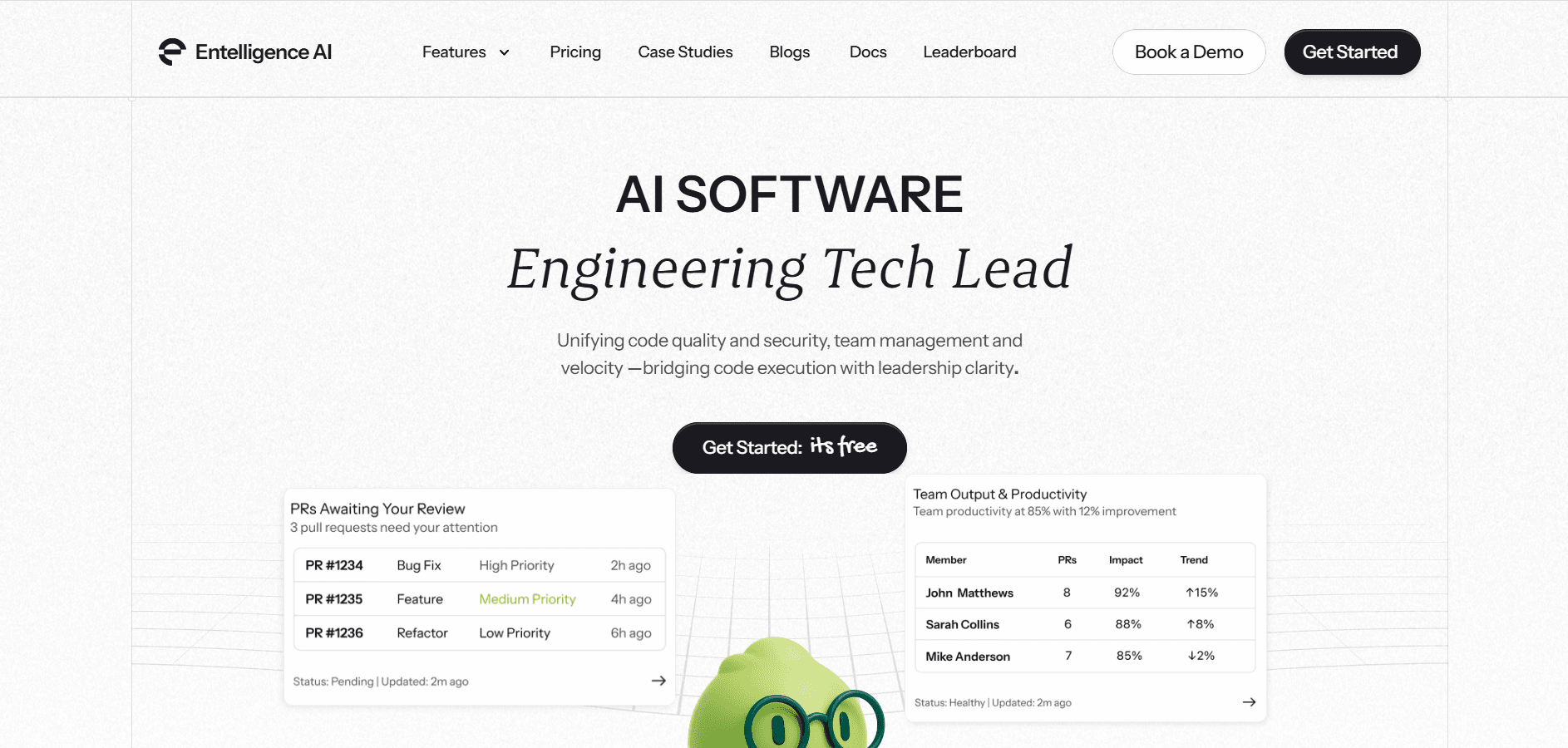
Entelligence AI unifies code review, developer experience, and engineering analytics into one intelligent platform. It delivers context-aware guidance directly inside the IDE and PRs, helping teams catch issues early, accelerate merges, and maintain higher code quality at scale, without adding more meetings or manual checks.
Key Capabilities:
AI Reviews in the IDE
Instant, context-rich feedback while writing code in VS Code, Cursor, or Windsurf.Automated PR Quality Checks
Detects risk, architecture issues, and hidden problems across the entire repository.One-Click Fix Suggestions
Provides committable improvements aligned with team standards.Documentation and Knowledge Built-In
Surfaces definitions, history, and intent to reduce onboarding friction and context hunting.Engineering Dashboards
Tracks code quality, throughput, review performance, and sprint health to guide leadership decisions.
Best Fit: Teams that want higher-confidence sprint commitments through cleaner code changes, faster reviews, and clear visibility into delivery risks.
Must Read: Exploring PR Review AI Tools: Boost Code Quality Fast

2. Atlassian Intelligence
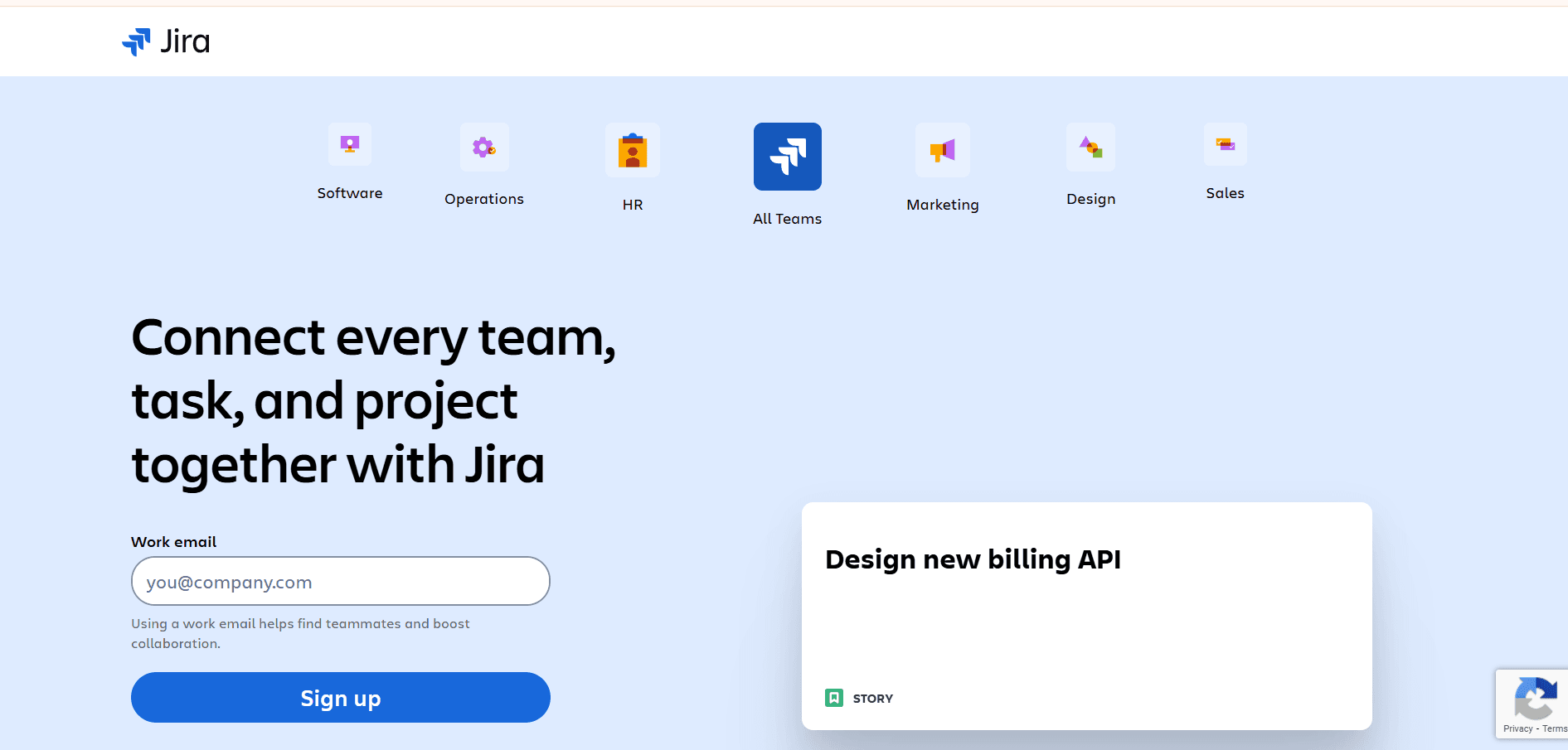
Atlassian Intelligence brings generative AI into Jira and Confluence to speed up everyday work. This helps teams write, search, and understand context faster, without changing how they already use Atlassian tools.
Key Capabilities:
Natural-language search
Query issues without JQL to quickly find work across Jira.AI-generated content
Draft and clean up ticket descriptions, comments, and documentation.Instant summaries
Condense long issue threads and linked content for faster context.
Best Fit: Teams already in the Atlassian Cloud ecosystem who want lightweight productivity gains in planning and documentation.
3. Rovo AI Agents
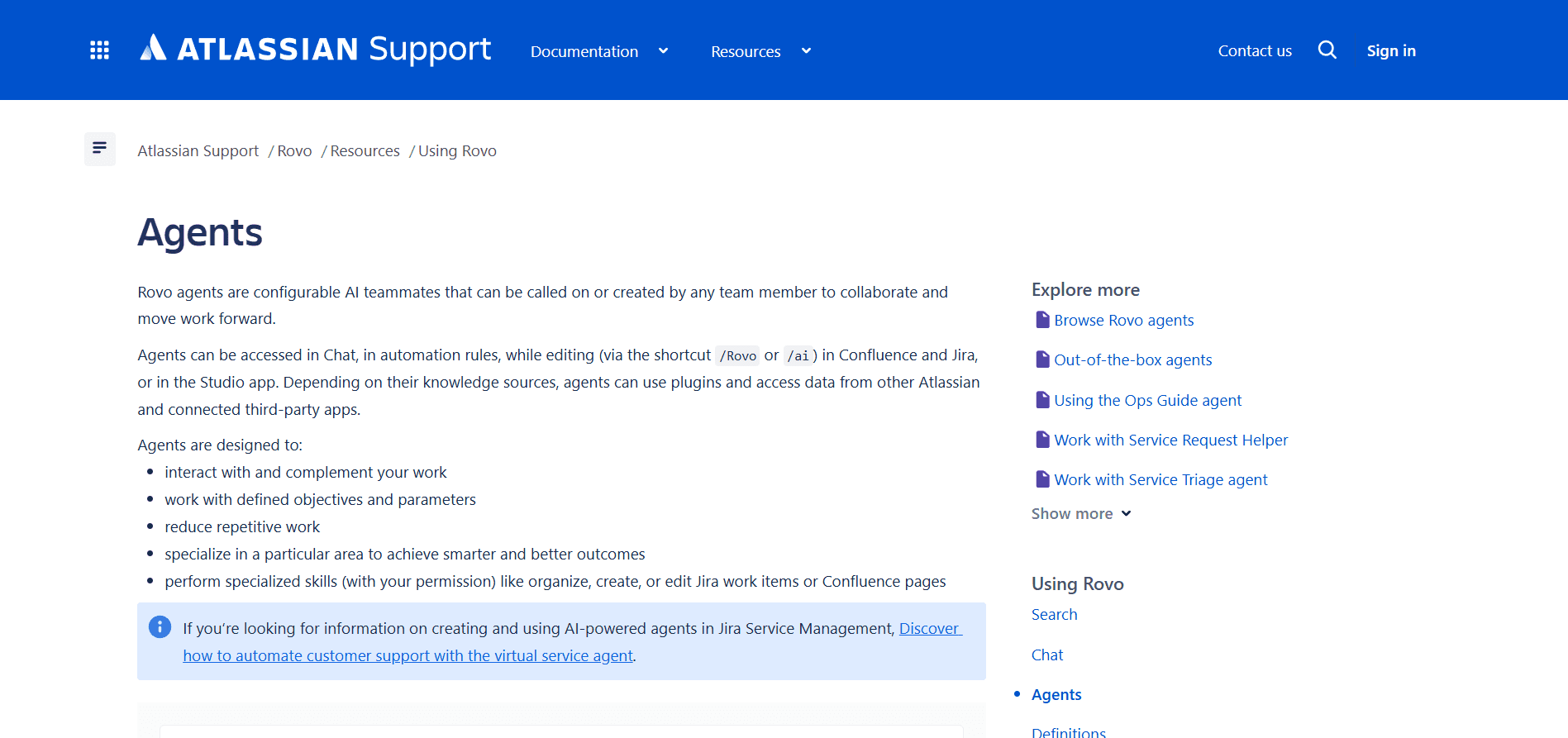
Rovo AI Agents are native Atlassian assistants built to remove the repetitive friction inside Jira and Confluence. Instead of relying on manual search, backlog grooming, or lengthy onboarding to find context, these agents automate information retrieval, issue handling, and content clarity.
Key Capabilities:
AI search across Atlassian tools
Find issues and documentation using natural language.Automated backlog actions
Create, update, and organize work items to reduce manual cleanup.Smart summaries for faster context
Condense long threads and pages to speed up planning decisions.
Best Fit: Organizations using Atlassian Cloud (Jira, Confluence, etc.) that want to slash manual work, clean up their backlog, and streamline collaboration without needing additional tools or plugins.
Must Read: Backlog Grooming vs Sprint Planning: Key Differences Explained
4. AI Scrum Assistant
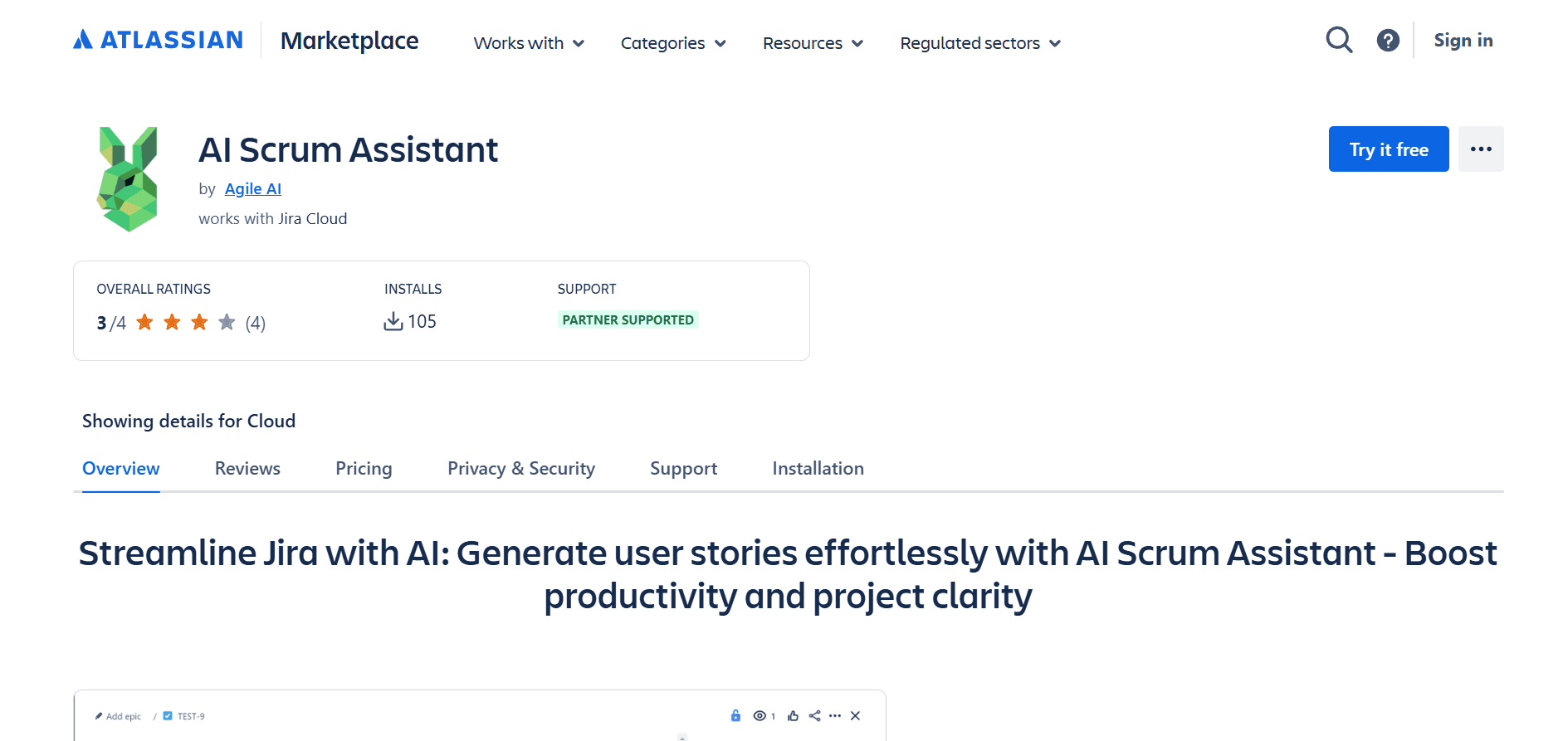
AI Scrum Assistant adds generative-AI capabilities directly into Jira to speed up backlog refinement and planning prep. Instead of manually drafting user stories or rewriting unclear tickets, it automates content creation, improves clarity, and helps teams standardize what “good” looks like before sprint planning begins.
Key Capabilities:
AI-generated stories and criteria
Turn ideas or rough notes into clear user stories with acceptance criteria.Ticket enhancement and clean-up
Rewrite vague descriptions to remove ambiguity and ensure consistent structure.Test case suggestions
Generate QA test ideas to support development and validation from day one.
Best Fit: Teams that struggle with ticket quality or spend too much time writing stories and acceptance criteria before sprint planning.

5. Sprint Planning Assistant by Ksolves
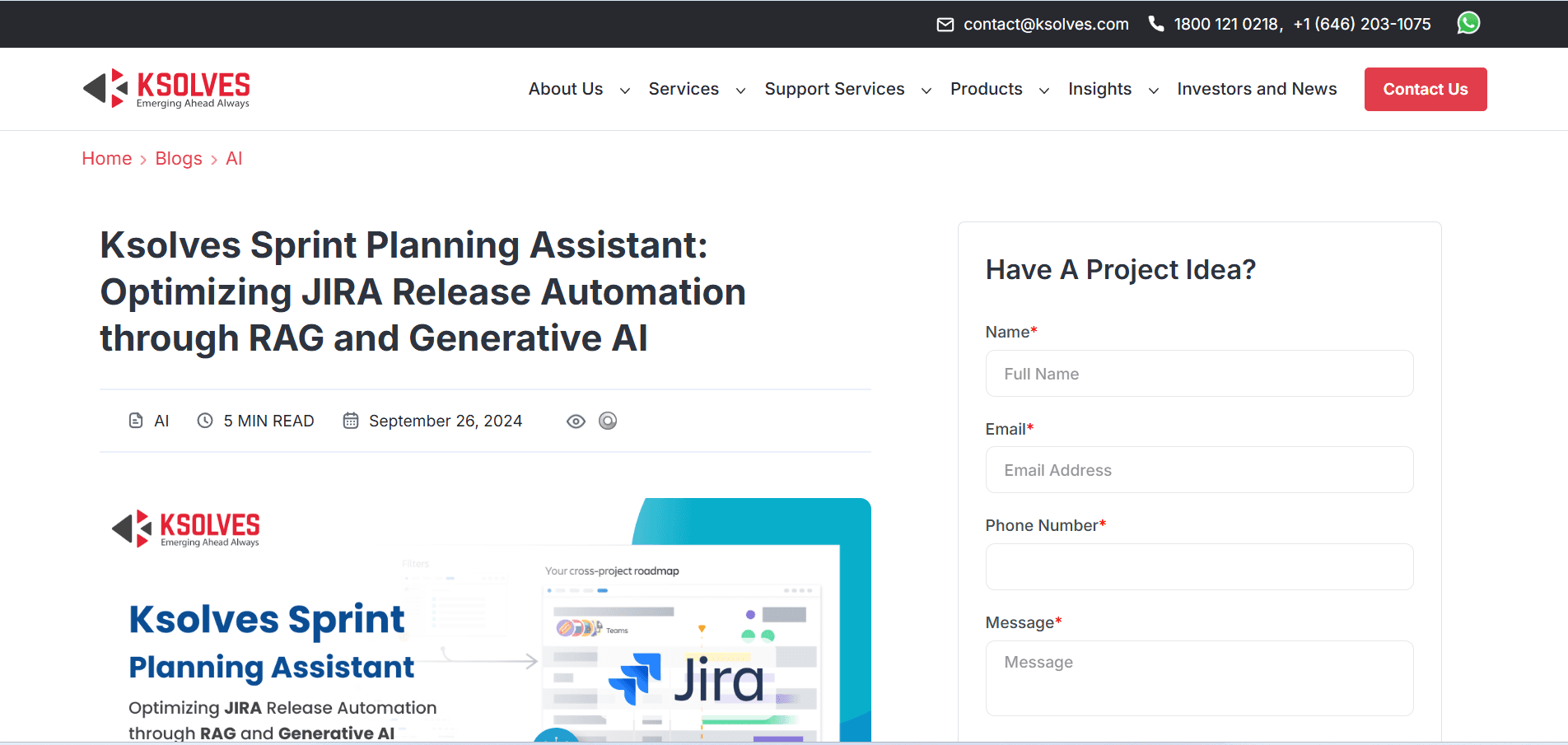
Sprint Planning Assistant by Ksolves brings generative AI and RAG to Jira and Confluence to automate tedious sprint-planning tasks, helping teams speed up release preparation, reduce manual backlog work, and surface risks and status at a glance.
Key Capabilities:
Sprint and release summaries
Auto-analyzes work items to surface readiness, risks, and progress.Automated ticket updates and notes
Keeps issues current and generates release notes with less manual effort.Conversational sprint queries
Ask questions in natural language and get instant, actionable insights.
Best Fit: Teams using Jira and Confluence who want to reduce manual sprint-planning overhead, increase transparency across releases, and streamline backlog hygiene and release workflows.
6. Intelligent Story Point Estimation
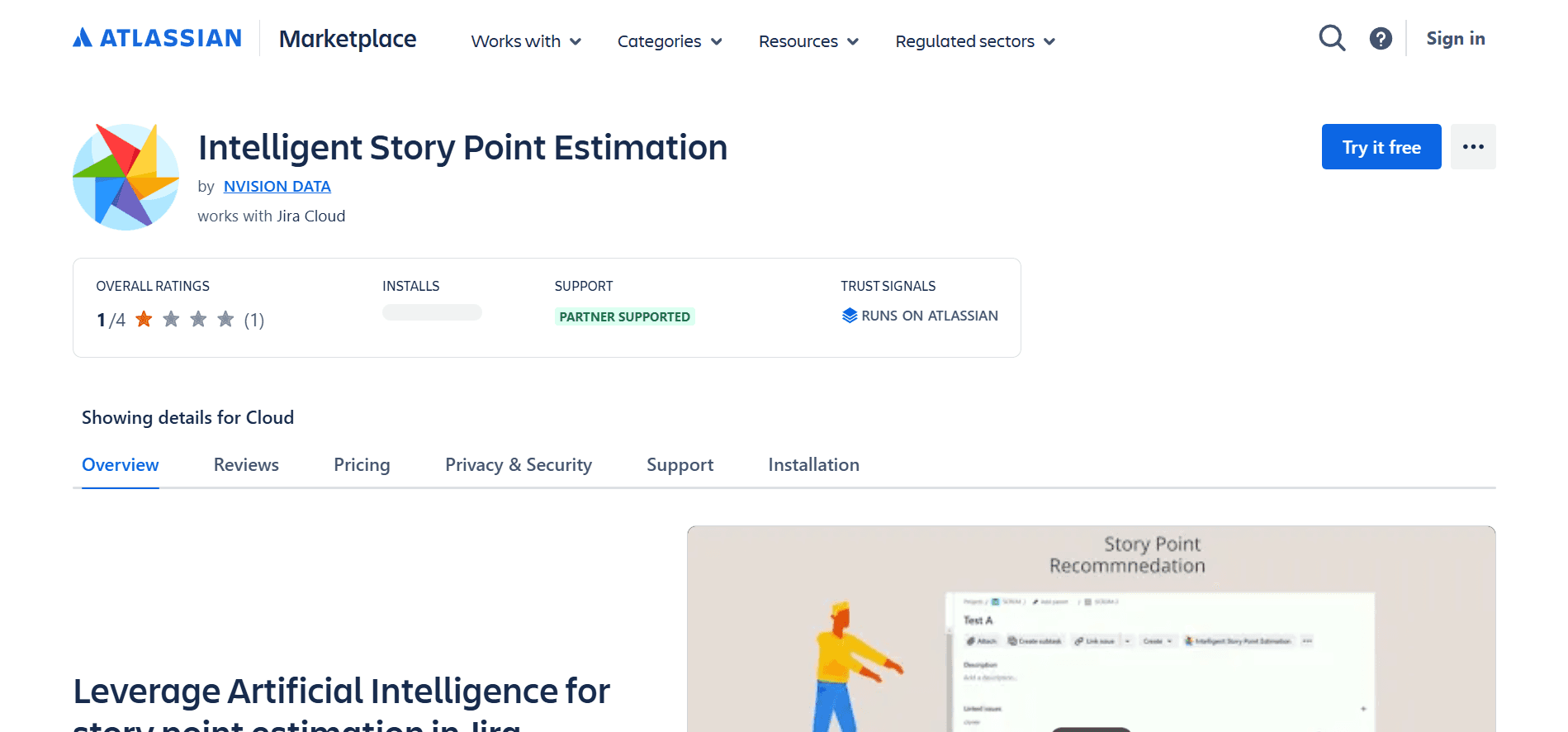
Intelligent Story Point Estimation uses AI algorithms and historical data to help teams assign story points more consistently and quickly. Rather than debating estimates or relying on gut feeling, this tool delivers data-backed suggestions that reflect real team performance and past sprint outcomes.
Key Capabilities
History-based estimates
Suggests story points by analyzing similar tickets and past velocity.Reduced estimation bias
Promotes consistency across teams by standardizing how effort is judged.Faster planning sessions
Cuts down the time needed for planning meetings and accelerates sprint prep.
Best Fit: Agile teams aiming to harmonize estimations across developers and reduce friction in sprint planning.
7. Forecast
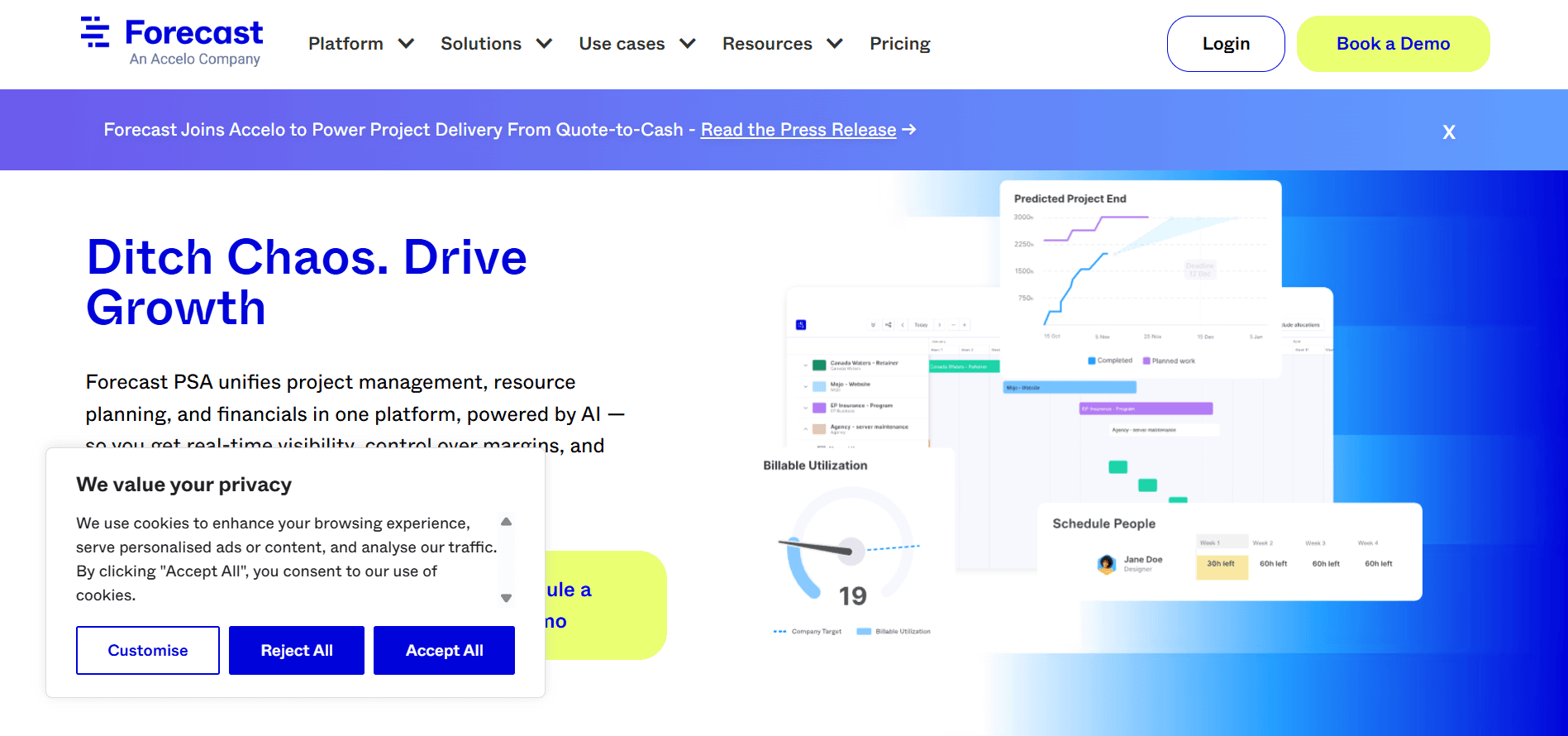
Forecast is a resource- and project-management tool that integrates with Jira to sync scheduling, capacity planning, and time tracking with actual development tasks. It helps teams move from guesswork to data-backed commitments, enabling clearer sprint and release planning without manual overhead.
Key Capabilities
Capacity-based sprint planning
Models real workload and availability to scope sprints that are achievable, not optimistic.Real-time sync with Jira
Automatically updates tasks and timelines so planning and execution stay fully aligned.Scenario forecasting
Simulates the impact of scope or team changes to help avoid delivery risks before committing.
Best Fit: Teams planning directly from Jira who want more control over capacity and fewer surprises when mapping work to realistic delivery timelines.
8. Zenhub AI
Zenhub embeds directly into GitHub to bring AI-powered sprint planning, issue management, and workflow automation to development teams. Its goal is to reduce manual overhead, like sprint setup, backlog hygiene, labeling, and reporting, letting engineers spend more time writing code and less time managing sprints or admin tasks.
Key Capabilities
Velocity-based sprint setup
Auto-populates sprints and manages rollover based on team delivery history.Automated sprint reviews
Generates summaries of completed work to support retros and reporting.AI-driven issue organization
Labels and structures backlog items to simplify prioritization.
Best Fit: GitHub-focused teams who want to automate planning tasks and maintain clear backlogs without leaving their development environment.
Must Read: How to Use AI for Code Reviews on GitHub?
9. Planview AgilePlace AI
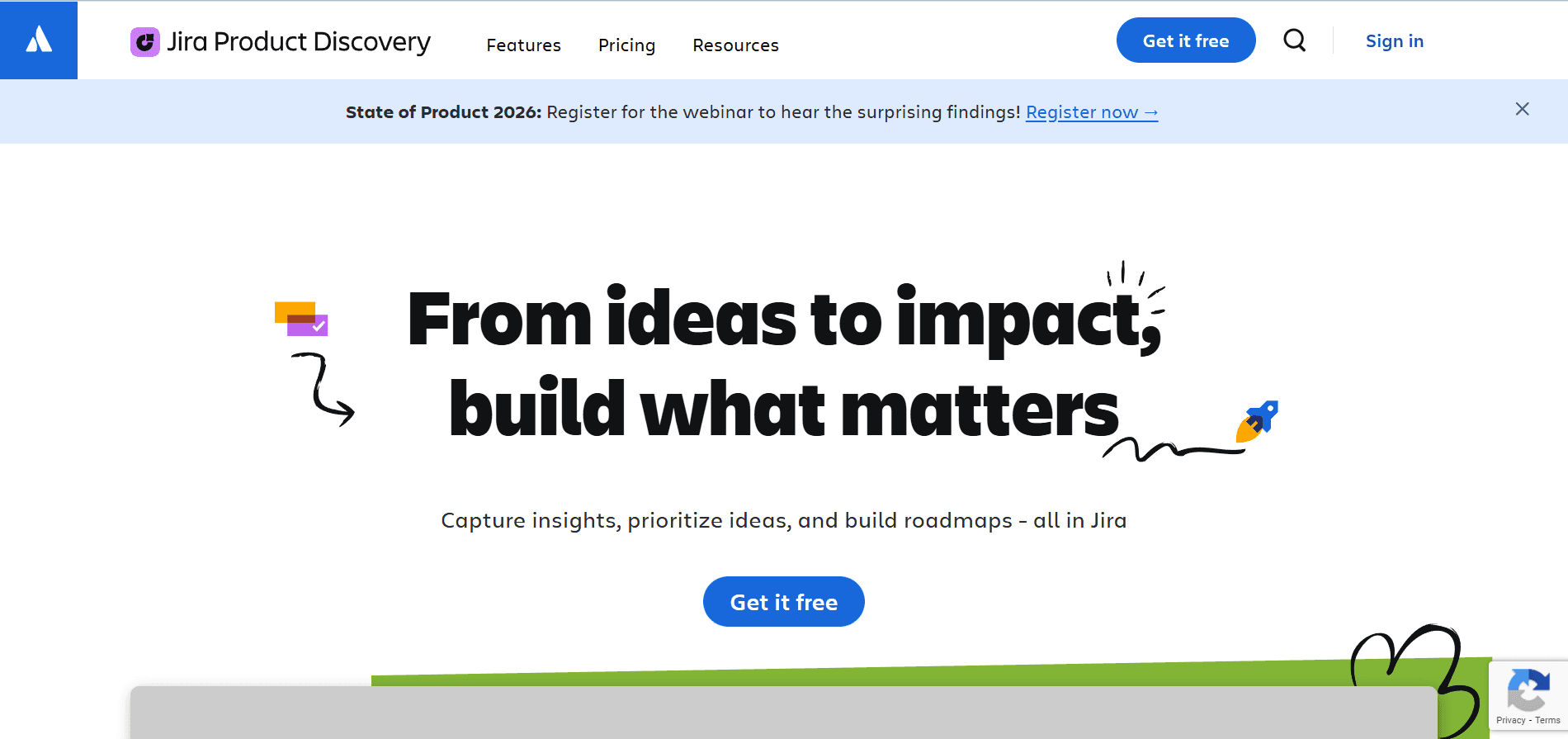
Planview AgilePlace is an enterprise-level Agile tool built around Kanban and Lean principles. It helps organizations visualize work across teams, track flow from strategy to delivery, and scale Agile practices across complex programs. The platform supports both team-level work and cross-team coordination, making it useful for companies managing many projects or dependencies.
Key Capabilities
Enterprise-grade Kanban boards
Flexible workflow visualization that adapts to team processes.Cross-team coordination
Aligns dependencies and delivery plans across multiple squads and programs.Lean flow analytics
Tracks bottlenecks, throughput, and WIP to improve predictability.
Best Fit:
Organizations running multiple Agile teams that need stronger coordination and delivery visibility beyond basic sprint planning.
Also Read: Understanding Velocity in Agile Software Development
10. ClickUp AI
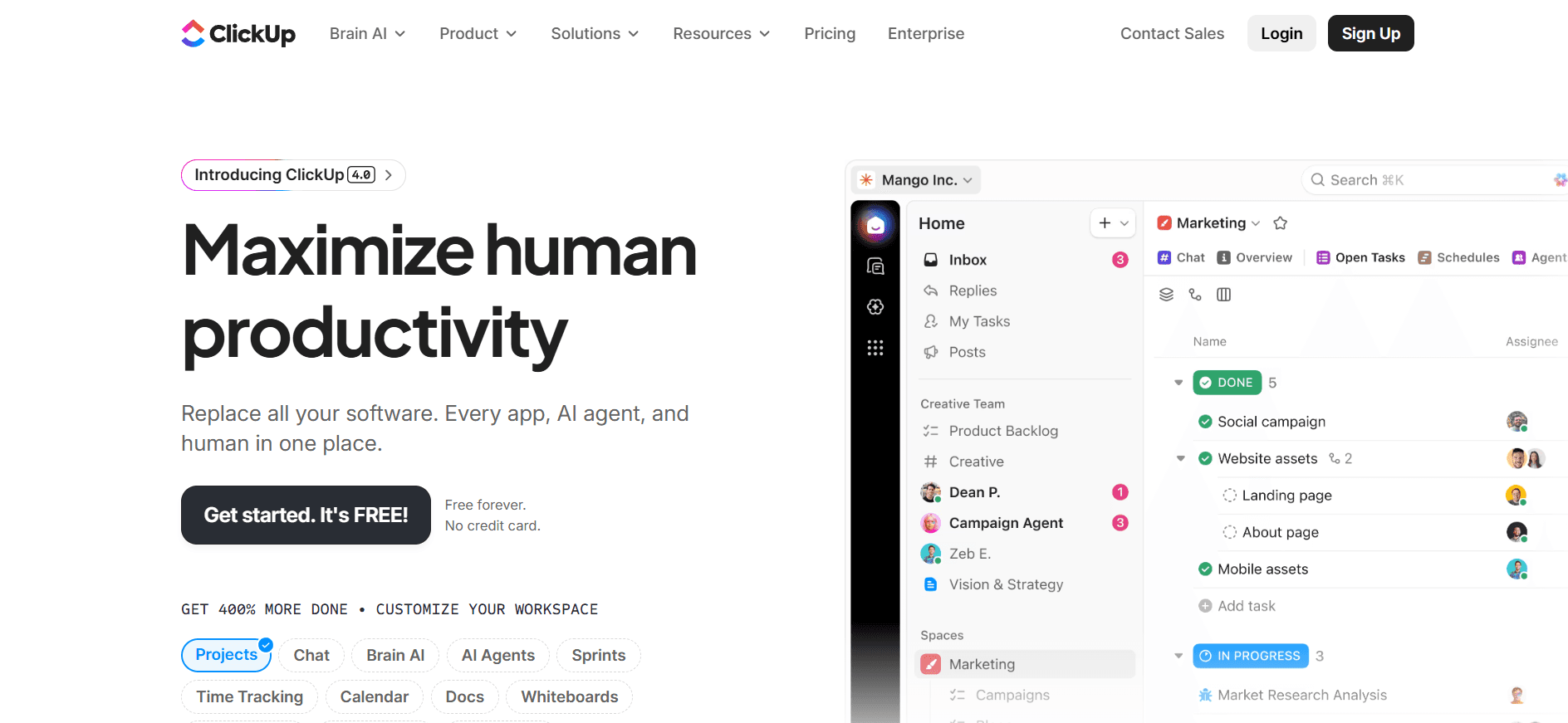
ClickUp AI is the built-in assistant that helps teams speed up task creation, documentation, and planning inside ClickUp. By generating content and surfacing context from existing work items, it reduces the manual effort required to prepare sprints and keep project information up to date.
Key Capabilities
AI-created tasks and sprint inputs
Generates user stories, task breakdowns, and project plans from prompts.Fast summaries and context recall
Condenses long docs or threads to support reviews, stand-ups, and onboarding.AI-enhanced Agile workflows
Supports story points, burndown charts, and workload views with smart assistance.
Best Fit: Teams that already work in ClickUp and want to simplify sprint prep and documentation through built-in AI automation.
With so many tools aiming to improve planning, the real challenge is choosing the one that strengthens how your team commits and delivers.
How to Choose the Right Jira AI Sprint Planning Tool?
At this point, the question usually isn’t “should we use AI?” but “which AI actually improves our Jira planning and doesn’t become more overhead?” The right tool is the one that fits your stack, respects your constraints, and quietly upgrades your planning decisions instead of forcing everyone into a new way of working.
The criteria below focus on how well a tool plugs into real-world Jira usage, not just how impressive its AI looks in a demo.
Use these checkpoints as a quick filter before you commit to any Jira AI sprint planning tool:
Depth of Jira integration: Does it work inside the Jira UI and workflows your teams already use (boards, backlog, issues), or does it sit in a separate product that people will ignore after week two?
Planning-specific capabilities: Can it actually help with estimation, capacity, risk spotting, and backlog shaping, or is it just a generic “AI assistant” that happens to connect to Jira?
Signal quality over buzzwords: Does the tool use real project data (velocity, cycle time, dependencies, incident history) to shape its suggestions, and can you see why it recommends a certain scope or estimate?
Control, guardrails, and override: Can teams adjust prompts, thresholds, and rules so AI outputs align with your planning rituals, or is it a black box that everyone ends up working around?
Security and data handling: Does it meet your compliance needs (data residency, access control, auditability) and clearly state how Jira data is used, stored, and trained against?
Adoption footprint: Will your PMs, engineers, and scrum masters actually use it daily? For example, is it available where they work (Jira, IDE, Slack) with minimal extra clicks?
Reporting and feedback loops: Does it help you measure the impact on planning quality (rollover work, forecast accuracy, meeting time) so you can justify keeping or expanding it?
When the goal is not just faster planning but stronger outcomes each sprint, Entelligence AI is built to deliver exactly that.
Why Entelligence AI Leads the Way
Most tools make sprint planning look smarter on paper. Entelligence AI delivers on its promise. Instead of just helping teams choose what goes into a sprint, it ensures the work they commit to is actually shippable, with fewer surprises mid-sprint.
Where others focus purely on backlog inputs, Entelligence focuses on delivery signals: complexity risk, code health, review readiness, and dependency friction. Those are the real reasons sprints slip.
Why it leads:
Improves sprint confidence by validating code quality before commitment.
Reduces rollover work with early risk visibility.
Keeps delivery predictable through continuous PR intelligence.
Better planning isn’t about more automation; it’s about knowing the work will finish. That’s the advantage Entelligence brings to every sprint.

Conclusion
Sprint planning is no longer just about estimating and assigning work; it’s about creating a delivery cycle that teams can trust. Choosing the right AI support isn’t simply a tooling decision; it’s a strategic one that determines whether your velocity improves or your debt quietly grows.
When consistency, risk visibility, and execution confidence become the priority, Entelligence AI stands out. It connects planning to delivering health, so every commitment your team makes feels predictable and actually ships.
If you’re ready to eliminate rollover work, simplify PR bottlenecks, and turn planning into a strength. Book a demo with Entelligence AI and see the impact firsthand!
FAQs
1. Do AI tools replace sprint planning ceremonies?
No, they streamline them. AI reduces manual prep, surfaces context, and improves decision quality so human conversations focus on alignment, not admin work.
2. Can AI actually improve sprint delivery outcomes, not just planning speed?
Yes. Tools that surface risk, complexity, and dependency issues early help teams commit to work they can finish; reducing rollover and hotfixes.
3. What should teams prioritize when picking a Jira AI planning tool?
Look for features that directly improve execution confidence: deep Jira integration, data-driven insights, and clear guidance that fits your workflow.
4. How soon do teams see benefits from AI-assisted planning?
Typically, within the first 1–2 sprints, especially in reduced estimation time, cleaner backlogs, and fewer stalled PRs.
5. Why is Entelligence AI highlighted as the top choice in this list?
Because it improves the part of planning that matters most, the likelihood that committed work ships on time, by tackling code risks before they hit the sprint.
Software development teams are quietly losing nearly 20 workdays per year to tool failures, bugs, and slow workflows. That’s almost a full month of capacity wasted simply because planning and tools don’t keep up.
As delivery pressure increases and teams scale across regions, sprint planning becomes the hidden bottleneck: cycles stretch longer, estimates drift further from reality, and rollover work piles up until every sprint starts with debt.
Manual pointing sessions, scattered context, and guesswork-driven scope decisions make planning feel less like strategy and more like damage control. AI is changing that equation. By analyzing throughput and risk, AI-assisted planning makes Jira sprints faster and far more predictable.
This guide breaks down the top 10 Jira AI-assisted sprint planning tools for 2026; the ones turning sprints from uncertainty into execution you can trust.
Overview
AI sprint planning is a productivity unlock: Teams lose nearly 20 workdays a year to planning inefficiencies, and AI tools help recover that lost capacity.
Delivery confidence matters more than speed: The best tools reduce rollover work by improving the quality of what enters the sprint.
Deep Jira integration is a must-have: AI features only work if they live where teams already plan, review, and update work.
Data-driven insights outperform intuition: Using velocity, dependencies, and risk signals creates sprint commitments that actually hold.
Entelligence AI stands out on execution: It validates code health before commitment so planned work is work that ships.
Top 10 Jira AI-Assisted Sprint Planning Tools
Not all AI planning tools are built equal. Some only auto-generate stories; others truly reshape how sprint commitments hold up under real delivery pressure.
The teams moving fastest right now are choosing tools that don’t just assist with planning; they reliably improve sprint outcomes. If competitors are already using AI to scope tighter, spot risks earlier, and cut rollover work in half, waiting is the only way to fall behind.
The list below highlights the top 10 Jira AI-assisted sprint planning tools leading that shift.
1. Entelligence AI

Entelligence AI unifies code review, developer experience, and engineering analytics into one intelligent platform. It delivers context-aware guidance directly inside the IDE and PRs, helping teams catch issues early, accelerate merges, and maintain higher code quality at scale, without adding more meetings or manual checks.
Key Capabilities:
AI Reviews in the IDE
Instant, context-rich feedback while writing code in VS Code, Cursor, or Windsurf.Automated PR Quality Checks
Detects risk, architecture issues, and hidden problems across the entire repository.One-Click Fix Suggestions
Provides committable improvements aligned with team standards.Documentation and Knowledge Built-In
Surfaces definitions, history, and intent to reduce onboarding friction and context hunting.Engineering Dashboards
Tracks code quality, throughput, review performance, and sprint health to guide leadership decisions.
Best Fit: Teams that want higher-confidence sprint commitments through cleaner code changes, faster reviews, and clear visibility into delivery risks.
Must Read: Exploring PR Review AI Tools: Boost Code Quality Fast

2. Atlassian Intelligence

Atlassian Intelligence brings generative AI into Jira and Confluence to speed up everyday work. This helps teams write, search, and understand context faster, without changing how they already use Atlassian tools.
Key Capabilities:
Natural-language search
Query issues without JQL to quickly find work across Jira.AI-generated content
Draft and clean up ticket descriptions, comments, and documentation.Instant summaries
Condense long issue threads and linked content for faster context.
Best Fit: Teams already in the Atlassian Cloud ecosystem who want lightweight productivity gains in planning and documentation.
3. Rovo AI Agents

Rovo AI Agents are native Atlassian assistants built to remove the repetitive friction inside Jira and Confluence. Instead of relying on manual search, backlog grooming, or lengthy onboarding to find context, these agents automate information retrieval, issue handling, and content clarity.
Key Capabilities:
AI search across Atlassian tools
Find issues and documentation using natural language.Automated backlog actions
Create, update, and organize work items to reduce manual cleanup.Smart summaries for faster context
Condense long threads and pages to speed up planning decisions.
Best Fit: Organizations using Atlassian Cloud (Jira, Confluence, etc.) that want to slash manual work, clean up their backlog, and streamline collaboration without needing additional tools or plugins.
Must Read: Backlog Grooming vs Sprint Planning: Key Differences Explained
4. AI Scrum Assistant

AI Scrum Assistant adds generative-AI capabilities directly into Jira to speed up backlog refinement and planning prep. Instead of manually drafting user stories or rewriting unclear tickets, it automates content creation, improves clarity, and helps teams standardize what “good” looks like before sprint planning begins.
Key Capabilities:
AI-generated stories and criteria
Turn ideas or rough notes into clear user stories with acceptance criteria.Ticket enhancement and clean-up
Rewrite vague descriptions to remove ambiguity and ensure consistent structure.Test case suggestions
Generate QA test ideas to support development and validation from day one.
Best Fit: Teams that struggle with ticket quality or spend too much time writing stories and acceptance criteria before sprint planning.

5. Sprint Planning Assistant by Ksolves

Sprint Planning Assistant by Ksolves brings generative AI and RAG to Jira and Confluence to automate tedious sprint-planning tasks, helping teams speed up release preparation, reduce manual backlog work, and surface risks and status at a glance.
Key Capabilities:
Sprint and release summaries
Auto-analyzes work items to surface readiness, risks, and progress.Automated ticket updates and notes
Keeps issues current and generates release notes with less manual effort.Conversational sprint queries
Ask questions in natural language and get instant, actionable insights.
Best Fit: Teams using Jira and Confluence who want to reduce manual sprint-planning overhead, increase transparency across releases, and streamline backlog hygiene and release workflows.
6. Intelligent Story Point Estimation

Intelligent Story Point Estimation uses AI algorithms and historical data to help teams assign story points more consistently and quickly. Rather than debating estimates or relying on gut feeling, this tool delivers data-backed suggestions that reflect real team performance and past sprint outcomes.
Key Capabilities
History-based estimates
Suggests story points by analyzing similar tickets and past velocity.Reduced estimation bias
Promotes consistency across teams by standardizing how effort is judged.Faster planning sessions
Cuts down the time needed for planning meetings and accelerates sprint prep.
Best Fit: Agile teams aiming to harmonize estimations across developers and reduce friction in sprint planning.
7. Forecast

Forecast is a resource- and project-management tool that integrates with Jira to sync scheduling, capacity planning, and time tracking with actual development tasks. It helps teams move from guesswork to data-backed commitments, enabling clearer sprint and release planning without manual overhead.
Key Capabilities
Capacity-based sprint planning
Models real workload and availability to scope sprints that are achievable, not optimistic.Real-time sync with Jira
Automatically updates tasks and timelines so planning and execution stay fully aligned.Scenario forecasting
Simulates the impact of scope or team changes to help avoid delivery risks before committing.
Best Fit: Teams planning directly from Jira who want more control over capacity and fewer surprises when mapping work to realistic delivery timelines.
8. Zenhub AI

Zenhub embeds directly into GitHub to bring AI-powered sprint planning, issue management, and workflow automation to development teams. Its goal is to reduce manual overhead, like sprint setup, backlog hygiene, labeling, and reporting, letting engineers spend more time writing code and less time managing sprints or admin tasks.
Key Capabilities
Velocity-based sprint setup
Auto-populates sprints and manages rollover based on team delivery history.Automated sprint reviews
Generates summaries of completed work to support retros and reporting.AI-driven issue organization
Labels and structures backlog items to simplify prioritization.
Best Fit: GitHub-focused teams who want to automate planning tasks and maintain clear backlogs without leaving their development environment.
Must Read: How to Use AI for Code Reviews on GitHub?
9. Planview AgilePlace AI

Planview AgilePlace is an enterprise-level Agile tool built around Kanban and Lean principles. It helps organizations visualize work across teams, track flow from strategy to delivery, and scale Agile practices across complex programs. The platform supports both team-level work and cross-team coordination, making it useful for companies managing many projects or dependencies.
Key Capabilities
Enterprise-grade Kanban boards
Flexible workflow visualization that adapts to team processes.Cross-team coordination
Aligns dependencies and delivery plans across multiple squads and programs.Lean flow analytics
Tracks bottlenecks, throughput, and WIP to improve predictability.
Best Fit:
Organizations running multiple Agile teams that need stronger coordination and delivery visibility beyond basic sprint planning.
Also Read: Understanding Velocity in Agile Software Development
10. ClickUp AI

ClickUp AI is the built-in assistant that helps teams speed up task creation, documentation, and planning inside ClickUp. By generating content and surfacing context from existing work items, it reduces the manual effort required to prepare sprints and keep project information up to date.
Key Capabilities
AI-created tasks and sprint inputs
Generates user stories, task breakdowns, and project plans from prompts.Fast summaries and context recall
Condenses long docs or threads to support reviews, stand-ups, and onboarding.AI-enhanced Agile workflows
Supports story points, burndown charts, and workload views with smart assistance.
Best Fit: Teams that already work in ClickUp and want to simplify sprint prep and documentation through built-in AI automation.
With so many tools aiming to improve planning, the real challenge is choosing the one that strengthens how your team commits and delivers.
How to Choose the Right Jira AI Sprint Planning Tool?
At this point, the question usually isn’t “should we use AI?” but “which AI actually improves our Jira planning and doesn’t become more overhead?” The right tool is the one that fits your stack, respects your constraints, and quietly upgrades your planning decisions instead of forcing everyone into a new way of working.
The criteria below focus on how well a tool plugs into real-world Jira usage, not just how impressive its AI looks in a demo.
Use these checkpoints as a quick filter before you commit to any Jira AI sprint planning tool:
Depth of Jira integration: Does it work inside the Jira UI and workflows your teams already use (boards, backlog, issues), or does it sit in a separate product that people will ignore after week two?
Planning-specific capabilities: Can it actually help with estimation, capacity, risk spotting, and backlog shaping, or is it just a generic “AI assistant” that happens to connect to Jira?
Signal quality over buzzwords: Does the tool use real project data (velocity, cycle time, dependencies, incident history) to shape its suggestions, and can you see why it recommends a certain scope or estimate?
Control, guardrails, and override: Can teams adjust prompts, thresholds, and rules so AI outputs align with your planning rituals, or is it a black box that everyone ends up working around?
Security and data handling: Does it meet your compliance needs (data residency, access control, auditability) and clearly state how Jira data is used, stored, and trained against?
Adoption footprint: Will your PMs, engineers, and scrum masters actually use it daily? For example, is it available where they work (Jira, IDE, Slack) with minimal extra clicks?
Reporting and feedback loops: Does it help you measure the impact on planning quality (rollover work, forecast accuracy, meeting time) so you can justify keeping or expanding it?
When the goal is not just faster planning but stronger outcomes each sprint, Entelligence AI is built to deliver exactly that.
Why Entelligence AI Leads the Way
Most tools make sprint planning look smarter on paper. Entelligence AI delivers on its promise. Instead of just helping teams choose what goes into a sprint, it ensures the work they commit to is actually shippable, with fewer surprises mid-sprint.
Where others focus purely on backlog inputs, Entelligence focuses on delivery signals: complexity risk, code health, review readiness, and dependency friction. Those are the real reasons sprints slip.
Why it leads:
Improves sprint confidence by validating code quality before commitment.
Reduces rollover work with early risk visibility.
Keeps delivery predictable through continuous PR intelligence.
Better planning isn’t about more automation; it’s about knowing the work will finish. That’s the advantage Entelligence brings to every sprint.

Conclusion
Sprint planning is no longer just about estimating and assigning work; it’s about creating a delivery cycle that teams can trust. Choosing the right AI support isn’t simply a tooling decision; it’s a strategic one that determines whether your velocity improves or your debt quietly grows.
When consistency, risk visibility, and execution confidence become the priority, Entelligence AI stands out. It connects planning to delivering health, so every commitment your team makes feels predictable and actually ships.
If you’re ready to eliminate rollover work, simplify PR bottlenecks, and turn planning into a strength. Book a demo with Entelligence AI and see the impact firsthand!
FAQs
1. Do AI tools replace sprint planning ceremonies?
No, they streamline them. AI reduces manual prep, surfaces context, and improves decision quality so human conversations focus on alignment, not admin work.
2. Can AI actually improve sprint delivery outcomes, not just planning speed?
Yes. Tools that surface risk, complexity, and dependency issues early help teams commit to work they can finish; reducing rollover and hotfixes.
3. What should teams prioritize when picking a Jira AI planning tool?
Look for features that directly improve execution confidence: deep Jira integration, data-driven insights, and clear guidance that fits your workflow.
4. How soon do teams see benefits from AI-assisted planning?
Typically, within the first 1–2 sprints, especially in reduced estimation time, cleaner backlogs, and fewer stalled PRs.
5. Why is Entelligence AI highlighted as the top choice in this list?
Because it improves the part of planning that matters most, the likelihood that committed work ships on time, by tackling code risks before they hit the sprint.
Your questions,
Your questions,
Decoded
Decoded
What makes Entelligence different?
Unlike tools that just flag issues, Entelligence understands context — detecting, explaining, and fixing problems while aligning with product goals and team standards.
Does it replace human reviewers?
No. It amplifies them. Entelligence handles repetitive checks so engineers can focus on architecture, logic, and innovation.
What tools does it integrate with?
It fits right into your workflow — GitHub, GitLab, Jira, Linear, Slack, and more. No setup friction, no context switching.
How secure is my code?
Your code never leaves your environment. Entelligence uses encrypted processing and complies with top industry standards like SOC 2 and HIPAA.
Who is it built for?
Fast-growing engineering teams that want to scale quality, security, and velocity without adding more manual reviews or overhead.

What makes Entelligence different?
Does it replace human reviewers?
What tools does it integrate with?
How secure is my code?
Who is it built for?


